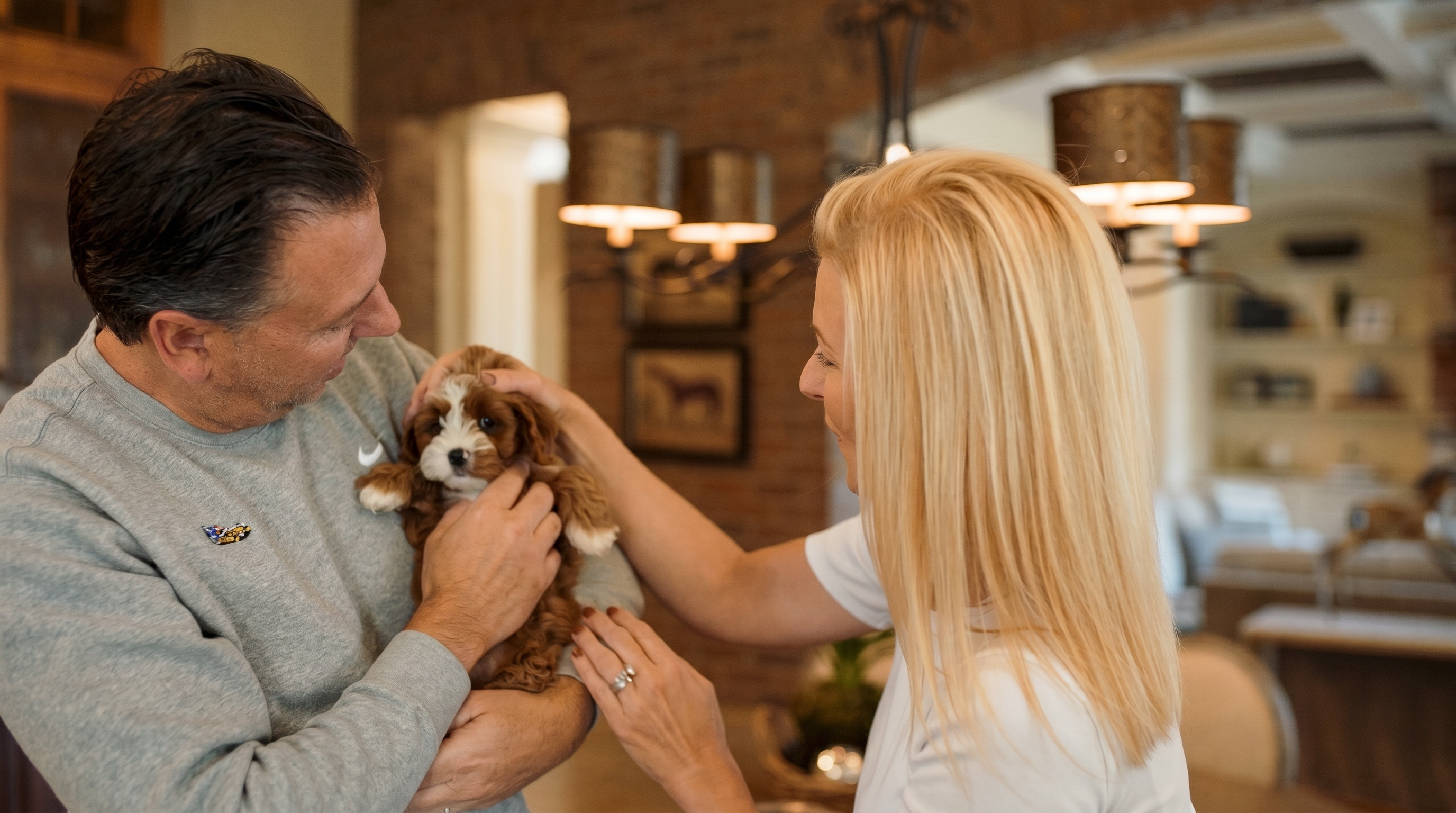
Age-Appropriate Sequence
Each exposure type and interaction is introduced according to a defined sequence that reflects both age and developmental readiness.
Limited Time Offer
We are currently offering up to 30% OFF for a Limited Time!
Prices reflect the discounted prices and is automatically applied during checkout.
The discounts offered at this time are not applicable towards past purchases or pending balances.
Each breeder in our network follows a structured Puppy Development Plan that is coordinated, monitored, and applied consistently from birth through placement.
Early development shapes how a puppy responds to people, environments, handling, and routine throughout life. For that reason, development is not left to chance or individual preference within the network.
This plan defines how puppies are introduced to human interaction, environmental exposure, handling, and early routine preparation at each stage of growth. Experiences are introduced in a controlled sequence based on developmental readiness, with the goal of building confidence without creating stress or overstimulation.
Development is implemented as part of a coordinated system where progression, response, and exposure are observed, documented, and reviewed throughout early growth.
This development plan exists to help each puppy transition into a new home with all the necessary tools to thrive.
5
DEVELOPMENT STAGES
8
WEEKS OF GUIDED GROWTH
15 +
MILESTONES TRACKED
100%
NETWORK CONSISTENCY
The Puppy Development Plan is applied as a structured framework across all participating breeders. It does not function as a general guideline or flexible recommendation. Each stage, exposure type, and interaction is introduced according to a defined sequence that reflects both age and developmental readiness.
Development is carried out through a combination of handling, environmental exposure, social interaction, and routine preparation. These elements are not introduced at random. They are layered progressively, with each stage building on the stability and response observed in the previous one.
Breeders implement these exposures as part of daily care, not as isolated activities. Interaction, environmental variation, and handling are integrated into routine feeding, cleaning, observation, and general care so that development occurs consistently rather than occasionally.
Progress is monitored throughout each stage. Behavioral response, comfort level, and recovery from new stimuli are observed as exposures expand. Adjustments are made when needed to maintain a balance between familiarity and novelty so puppies remain confident without becoming overwhelmed.
This framework allows development to remain consistent across different environments while still accounting for individual variation. The structure remains fixed. The pace of exposure adapts based on how each puppy responds within that structure.
This framework is applied consistently across all participating breeders as part of the standards and oversight process that guide early development.
Each exposure type and interaction is introduced according to a defined sequence that reflects both age and developmental readiness.
Behavioral response, comfort level, and recovery from new stimuli are observed as exposures expand. Adjustments are made when needed.
The framework is applied consistently across all participating breeders as part of the standards and oversight process that guide early development.
Each stage builds on the stability and response observed in the previous one. The structure remains fixed while the pace adapts to each puppy.
Neonatal — Stability & Foundation
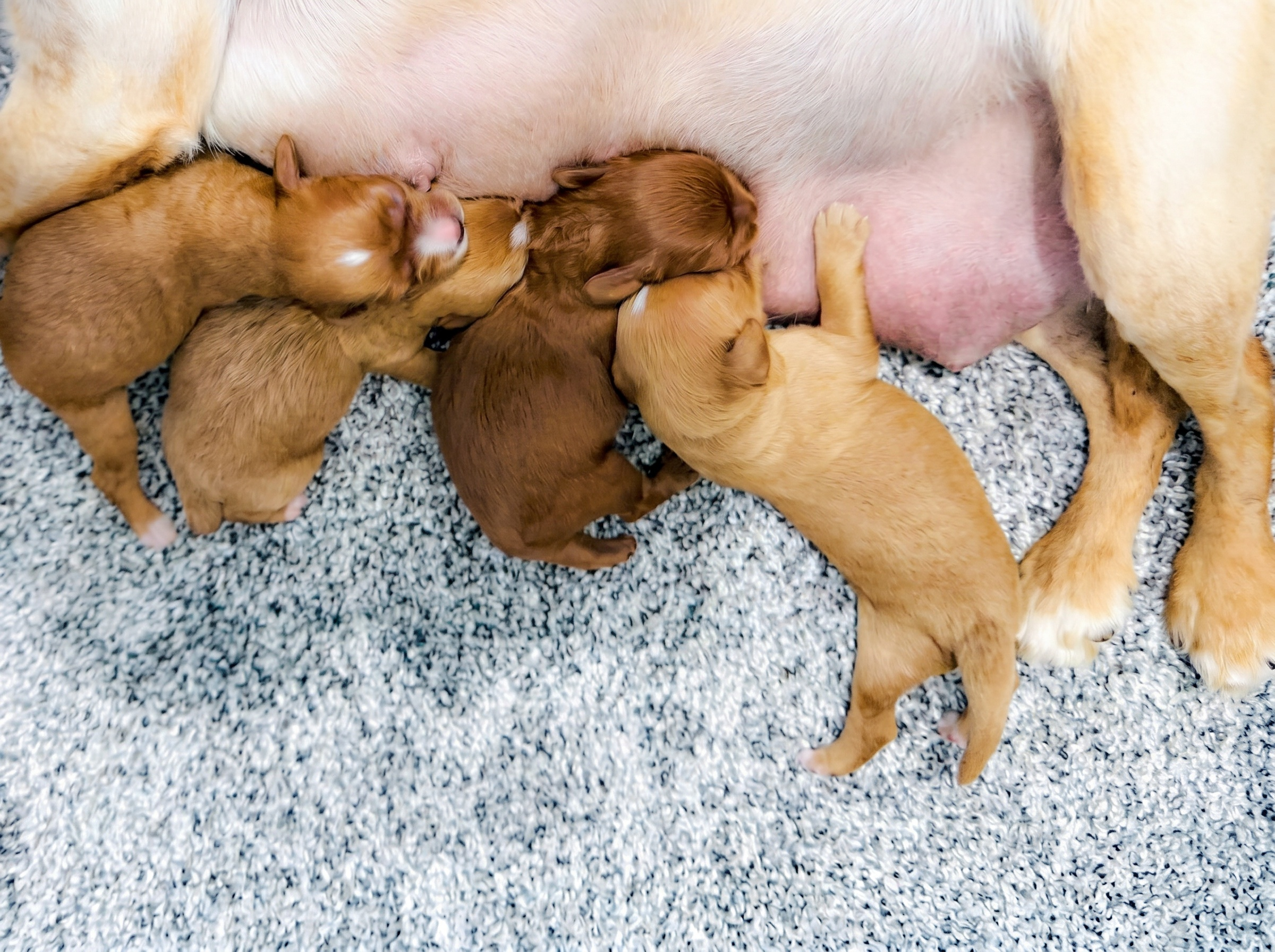
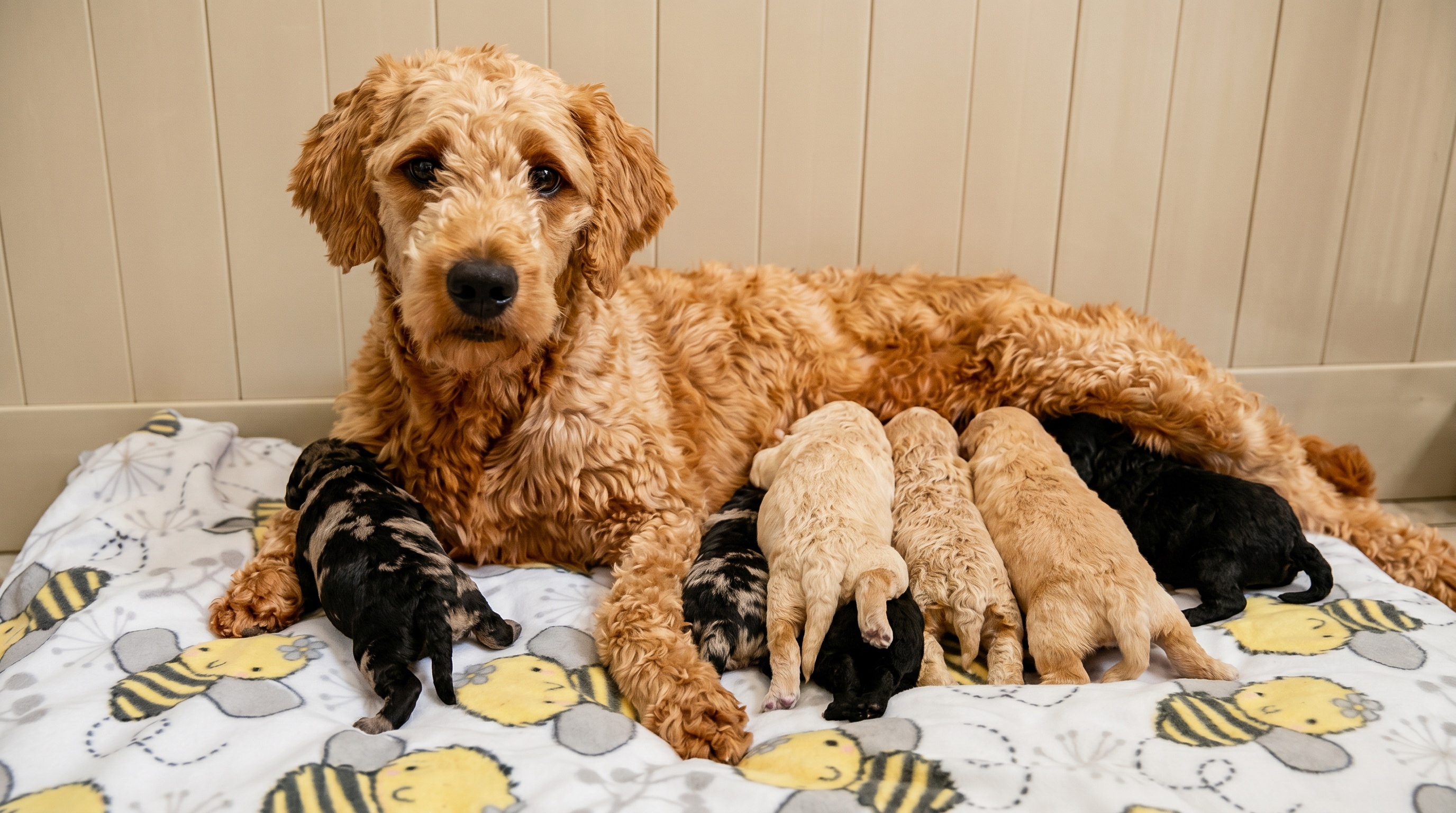
The first stage of development focuses on stability, maternal care, physical monitoring, and early human contact introduced in a controlled way. During this period, puppies are fully dependent on their mother, so development centers on supporting a secure environment while beginning the earliest forms of routine observation and gentle handling.
Within the network, the priority at this stage is to protect comfort, support the nursing mother, and ensure that each puppy is warm, clean, well-nourished, and physically stable during the earliest days of life.
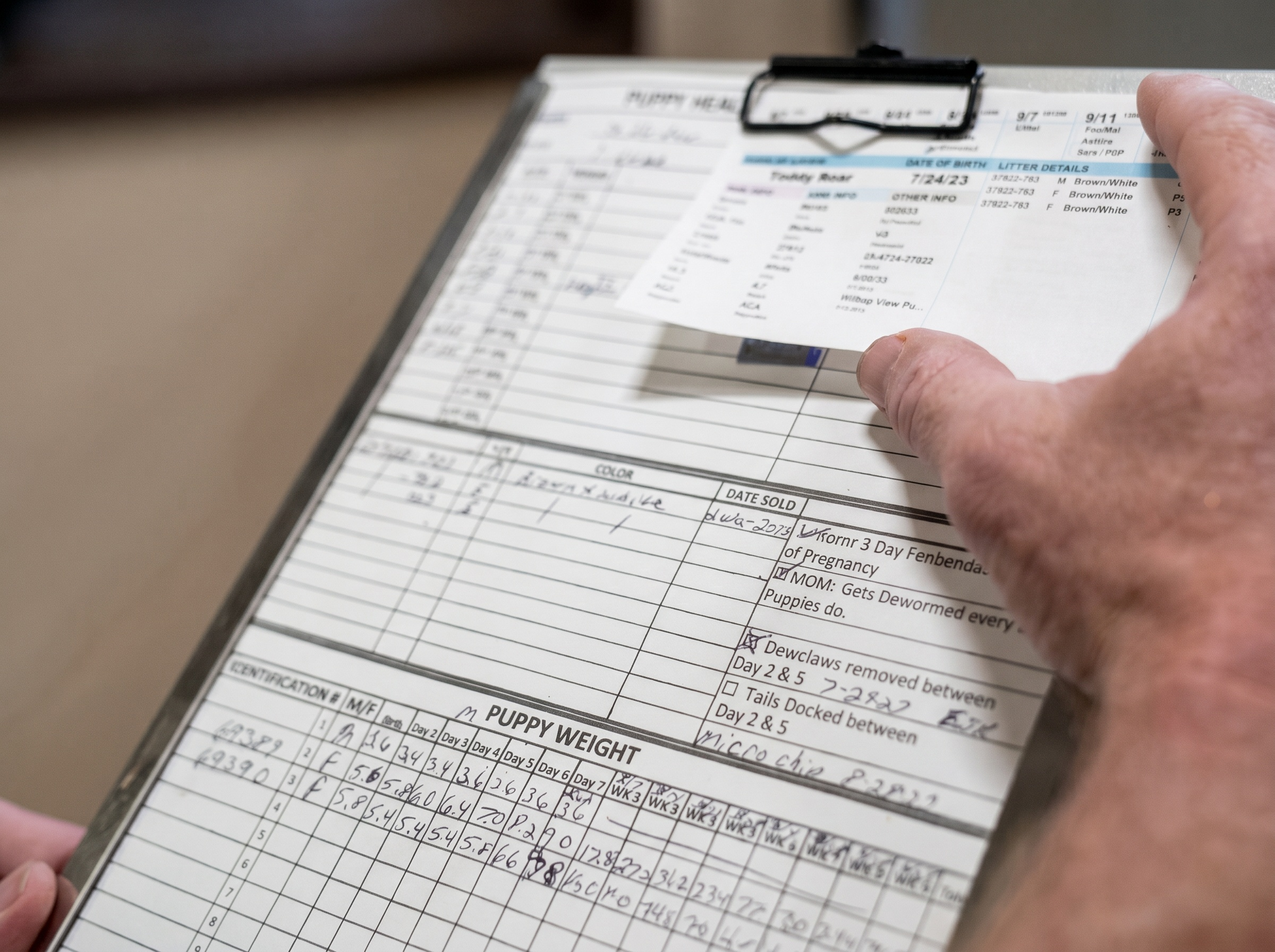
Daily observation of nursing behavior, weight progression, and general condition
Verified health testing for breeding dogs prior to pairing
Veterinary involvement in health planning and litter development
Structured record-keeping for parent dogs and litters
Cooperation with coordinated oversight and documentation review
At this stage, human interaction is limited, purposeful, and age-appropriate. Puppies are not pushed into unnecessary stimulation. Early contact is introduced carefully so that routine care, observation, and physical support can take place without creating stress for either the puppy or the mother.
This stage sets the foundation for the development that follows. Before more active exposure begins, physical stability, consistent care, and monitored early growth must be in place.
Transitional — Early Awareness
During this stage, puppies begin transitioning from complete dependence toward early awareness of their surroundings. Eyes and ears open, mobility increases, and responsiveness to light, sound, and touch becomes more noticeable.
Development during this period expands gradually while maintaining the same emphasis on stability and controlled exposure established in the first stage.
The focus remains measured. Stimulation is introduced in small increments so that puppies can begin processing their environment without becoming overwhelmed.
Continued daily observation of growth, physical condition, and early responsiveness
Ongoing monitoring of developmental progress and emerging behaviors
Gentle, slightly extended handling sessions as tolerance to human contact increases
Introduction to mild environmental variation, including low-level sound and light changes
Short, calm human interactions that allow puppies to become familiar with presence, scent, and touch
Exposure is limited in intensity and duration. Puppies are not introduced to complex environments or multiple simultaneous stimuli. Each new experience is introduced individually and adjusted based on observed response.
As awareness develops, early reactions to handling and environmental change are observed closely. This allows caregivers to identify comfort levels and guide progression into the next stage at an appropriate pace.
This stage marks the beginning of active environmental awareness. The goal is to support it in a controlled way that maintains comfort while preparing puppies for more structured exposure in the stages that follow.
Socialization — Active Exploration
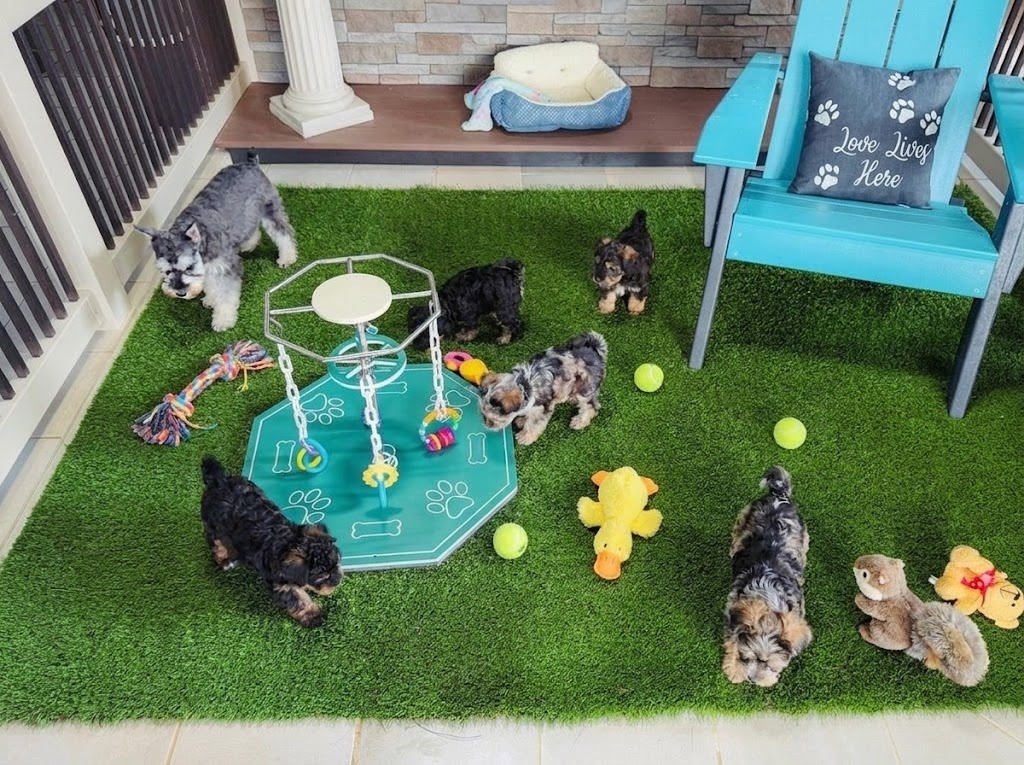
By this stage, puppies are more mobile, more alert, and more responsive to what is happening around them. As awareness increases, development begins to include more direct exposure to people, everyday activity, and routine forms of handling.
This stage introduces a more active layer of early development, but the pace remains controlled. New experiences are added gradually and in a way that reflects the puppy's age, comfort level, and response to change.
The goal is to begin expanding familiarity with normal human contact and environmental variation without creating unnecessary pressure or overstimulation.
Continued observation of growth, behavior, and responsiveness
Ongoing monitoring of how each puppy reacts to touch, movement, and environmental change
Introduction to more frequent human interaction beyond routine care
Exposure to normal household sounds and activity at manageable levels
Access to different safe surfaces and spaces as mobility increases
Gentle handling that supports comfort with routine care, including touch to paws, ears, and body
Weaning progression and gradual introduction to solid food
At this stage, exposure is structured and deliberate. Puppies are not pushed through rapid change or excessive novelty. Each experience is introduced at an appropriate pace so that confidence can develop alongside familiarity.
As puppies become more engaged with their surroundings, response and recovery continue to be observed closely. This helps ensure that development progresses in a steady way while preserving the stability established in the earlier stages.
This stage lays the groundwork for more purposeful social interaction, enrichment, and routine-building in the period that follows.
Individual — Focused Engagement
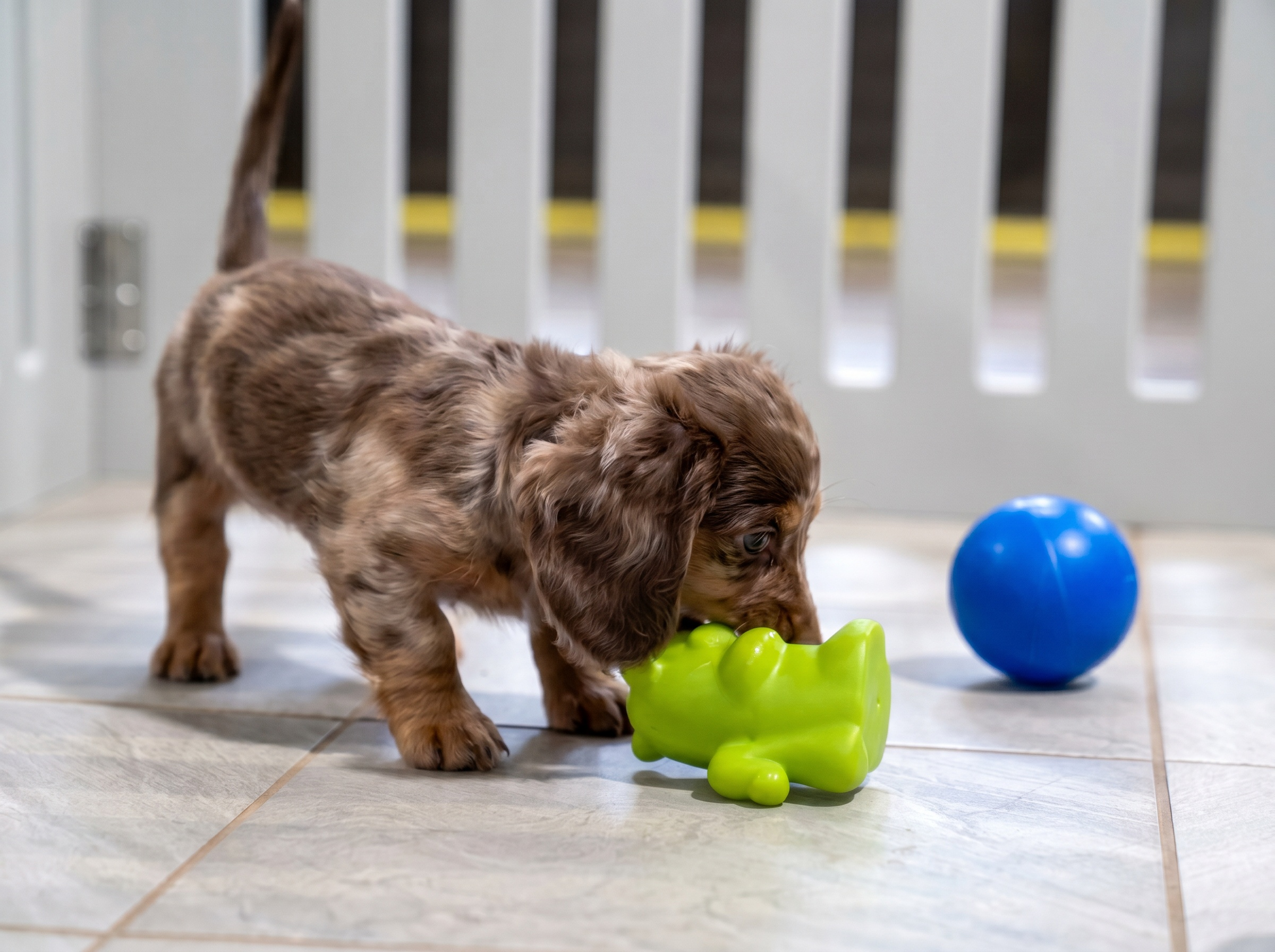
Puppies at this stage begin to engage more directly with people and their environment. Movement is more coordinated, attention is easier to capture, and interaction becomes more intentional rather than purely reactive.
Development starts to include short, structured moments of individual attention alongside continued group interaction. These early one-on-one experiences introduce a different type of engagement, where the puppy is no longer responding only as part of the litter.
Individual interaction that allows each puppy to engage with a person outside of litter dynamics
Introduction to simple enrichment items that encourage exploration and problem-solving
Increased exposure to everyday activity, including movement, sound, and presence within the environment
Handling that reflects routine care, including brief examination-style touch and weighing
Early use of food or gentle reward to create positive association with human interaction
These experiences are kept short and controlled. Puppies are not separated for extended periods, and interaction stays structured so that each puppy is comfortable.
This stage also introduces brief moments of separation during routine care or interaction. These are limited in duration and used to help puppies begin adjusting to individual attention without disrupting their sense of security.
This stage supports early independence, attention, and comfort with individual interaction, which become important as transition preparation approaches.
Transition — Home Preparation
At this point, puppies are more comfortable with interaction, more responsive to routine, and better able to handle short changes in their environment. Development begins to place more focus on consistency, individual engagement, and preparation for the transition into a new home.
The pace remains steady. Rather than introducing entirely new types of exposure, this stage builds on familiar experiences while helping puppies adjust to them with greater independence.
Short periods of individual interaction outside of the litter
Continued exposure to normal household activity and environmental variation
Positive introduction to a carrier or travel crate using familiar bedding and brief, low-pressure sessions
More consistent routine patterns around feeding, rest, activity, and potty behavior
Continued use of gentle reward-based interaction to support attention, familiarity, and positive response to people
Reinforcement of comfort with handling, movement, and brief changes in environment
At this stage, development becomes more consistent than expansive. Familiar experiences are repeated in a way that supports comfort, predictability, and ease of response.
This stage helps prepare puppies for transition by strengthening routine awareness, individual engagement, and comfort with brief separation, while maintaining the stability established throughout earlier development.
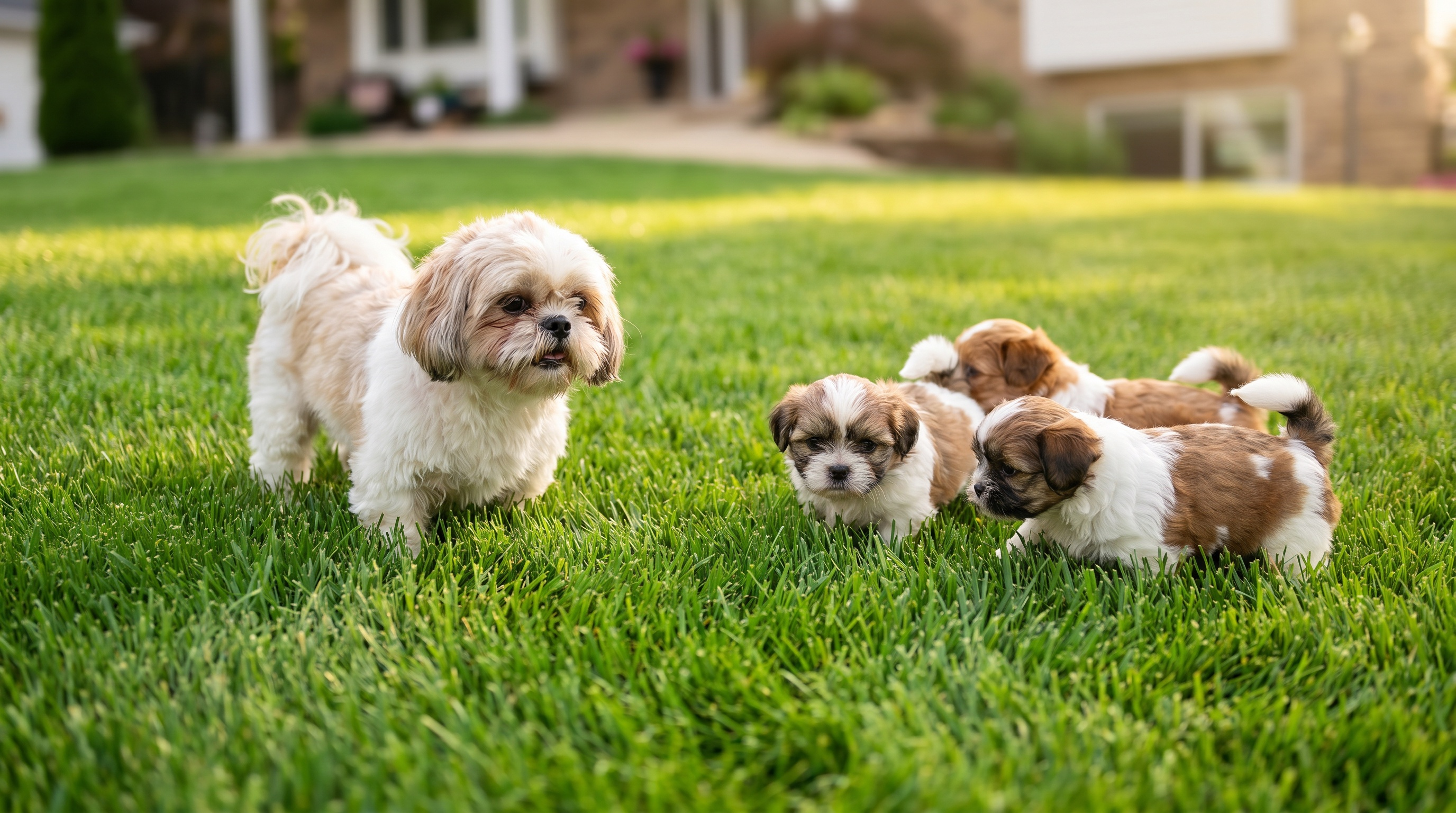
Development is followed closely throughout each stage to ensure that progress remains steady, appropriate, and aligned with the plan.
Attention is placed on how each puppy moves through early development, including physical condition, comfort with interaction, and response to new experiences as they are introduced.
Progression is not assumed. It is evaluated as each stage unfolds. This allows exposure to move forward with intention rather than by default.
When a puppy shows hesitation, slower adjustment, or increased sensitivity, exposure can be reduced or repeated as needed. When response is stable, progression continues in line with the next stage.
This approach allows development to remain structured while still adapting to individual pace.
Key Focus Areas:
Overall condition and early growth
Movement through each stage of development
Response to handling, interaction, and environmental change
Comfort level with routine care and new experiences
Areas where additional time or repetition supports progress
Each stage builds on the last with a clear understanding of how the puppy has responded up to that point. This keeps development consistent, controlled, and aligned from birth through placement.
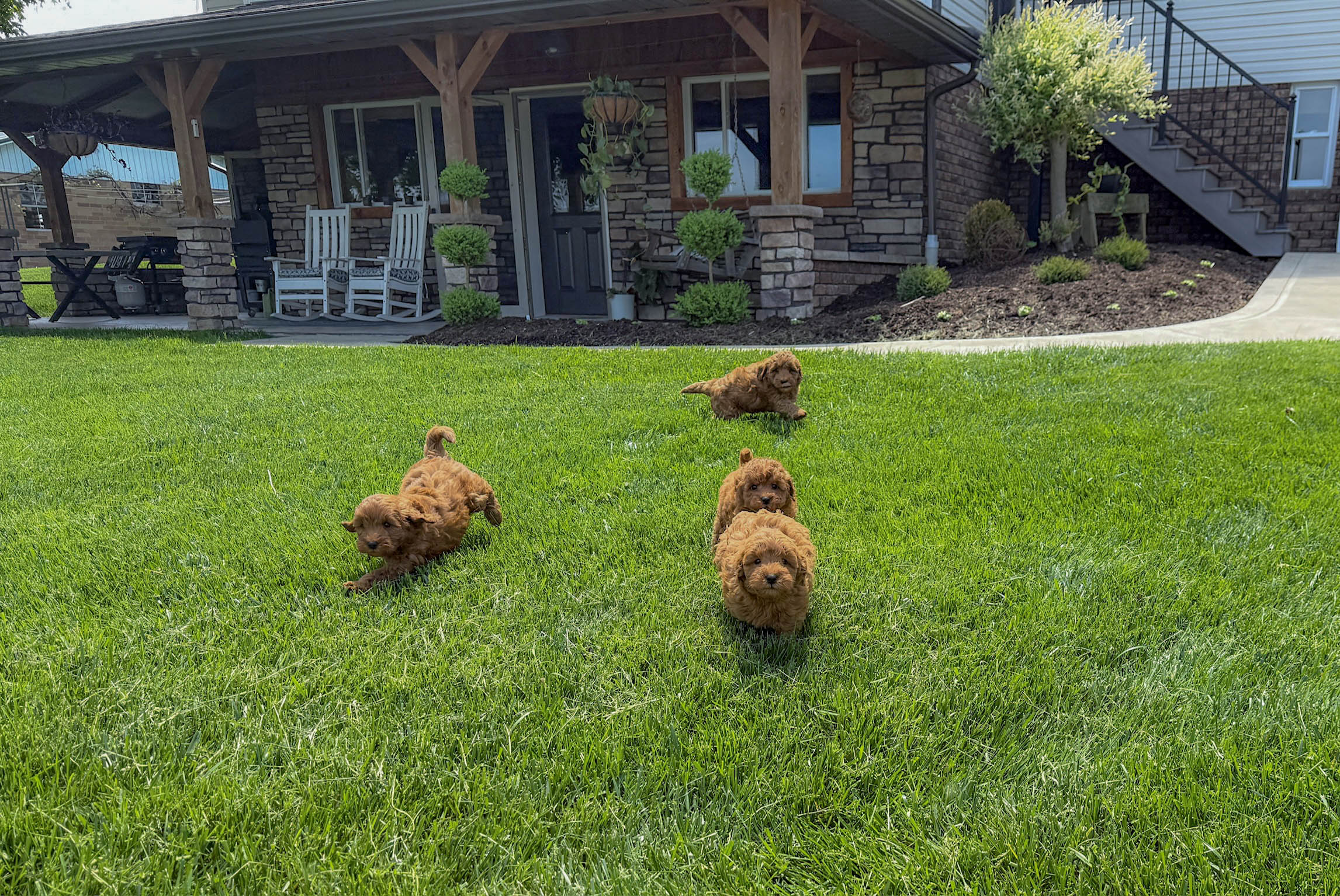
As puppies approach the placement stage, a final preparation period takes place to confirm that development milestones, health, and overall readiness requirements are in place prior to the transition into a new home.
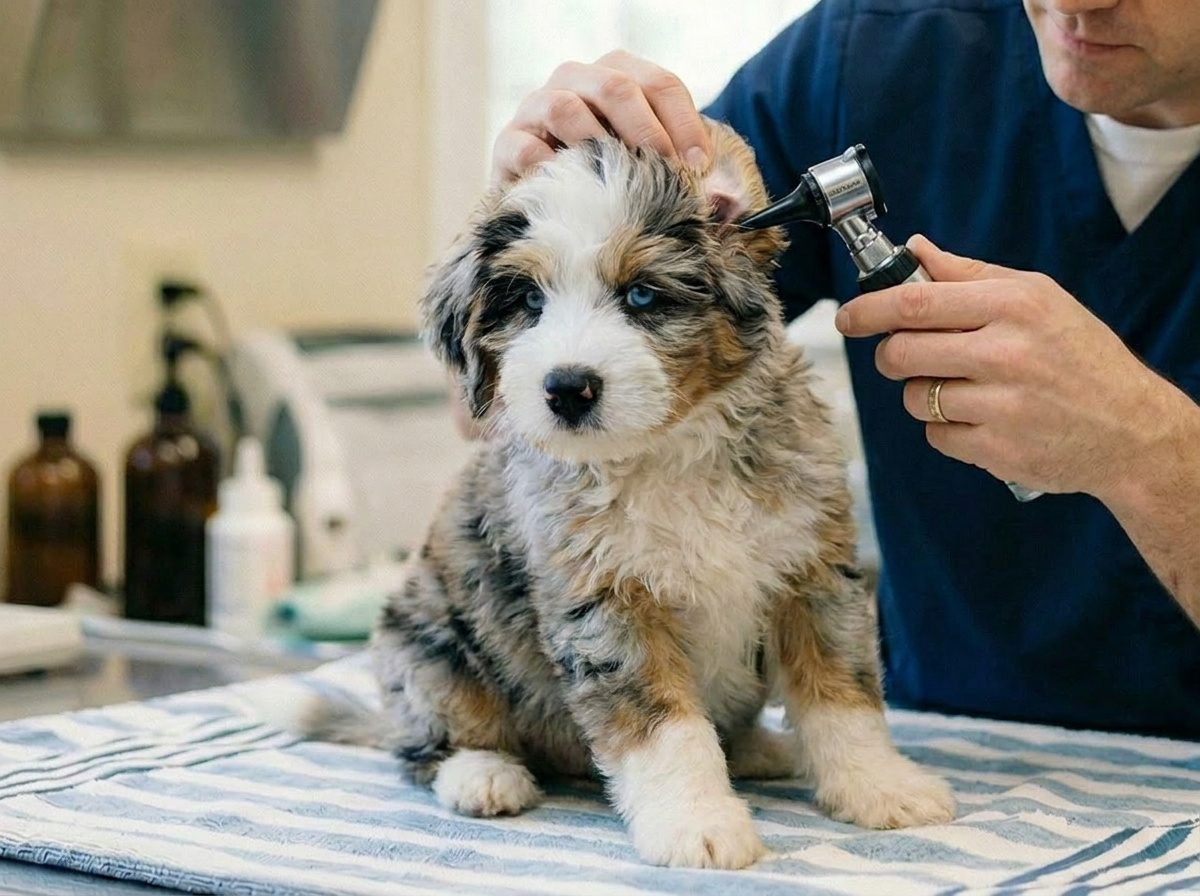
During this stage, puppies transition to Premier Pups where final preparation and review occur before placement. Development records are reviewed, overall health condition is evaluated, and each puppy's readiness for transition is confirmed.
Veterinary evaluation forms part of this final preparation stage. Licensed veterinarians conduct a comprehensive nose-to-tail examination prior to placement. Fecal screening is also performed using VetScan Imagyst® diagnostic analysis to check for intestinal parasites before puppies leave for their new homes.
As an optional additional health screening step, more than 70% of puppies undergo a pre-screen blood evaluation to help establish baseline health indicators during this stage prior to transition.
Routine handling, human interaction, and daily care routines continue during this preparation period so that puppies continue to be comfortable with people and ready for their new homes.
Placement occurs only after this final preparation process is completed.
As development progresses through each stage, preparation for transition begins to take shape. By the time puppies reach placement, they have already been introduced to routine interaction, handling, and common environmental elements in a structured and consistent way.
This early foundation helps reduce the intensity of change when entering a new home. Puppies are more familiar with human contact, more comfortable with basic routines, and better able to adjust to new surroundings.
Transition does not rely on introducing entirely new experiences at once. Instead, it builds on what has already been established during early development.
General guidance may be provided to help families continue this process at home. This may include simple direction around routine, interaction, and gradual exposure to new environments.
The focus remains practical. The goal is not to replicate the development plan, but to maintain consistency so that the puppy can continue adjusting at a steady pace.
Each puppy leaves with a foundation that supports a smoother transition and that allows new experiences to be introduced without overwhelming the adjustment period.