Grooming
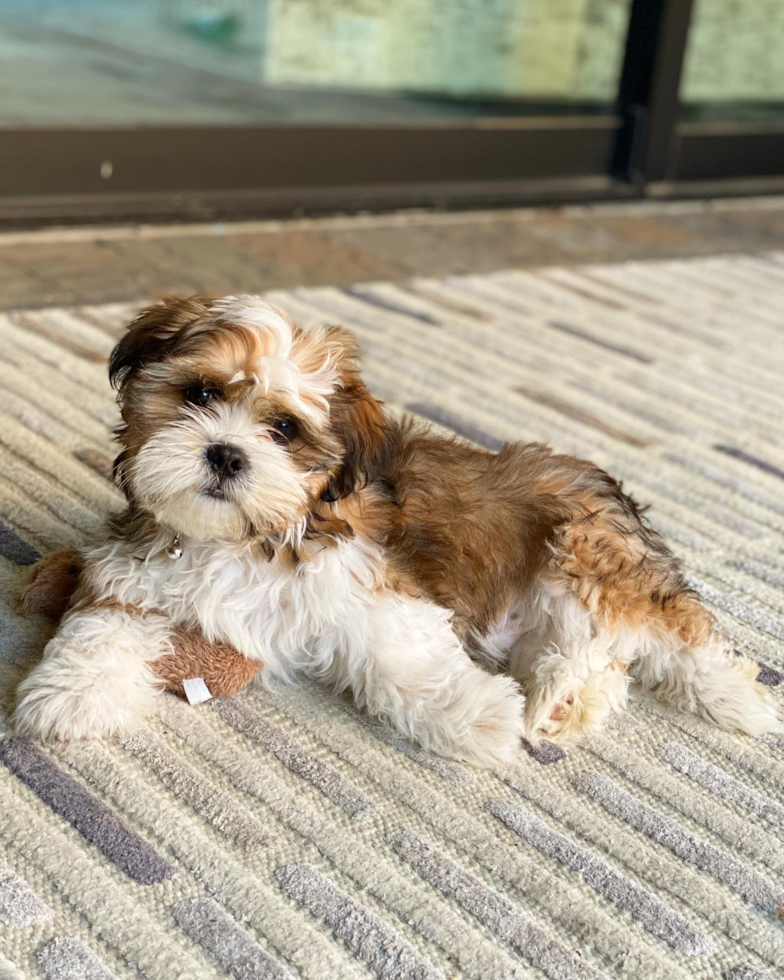
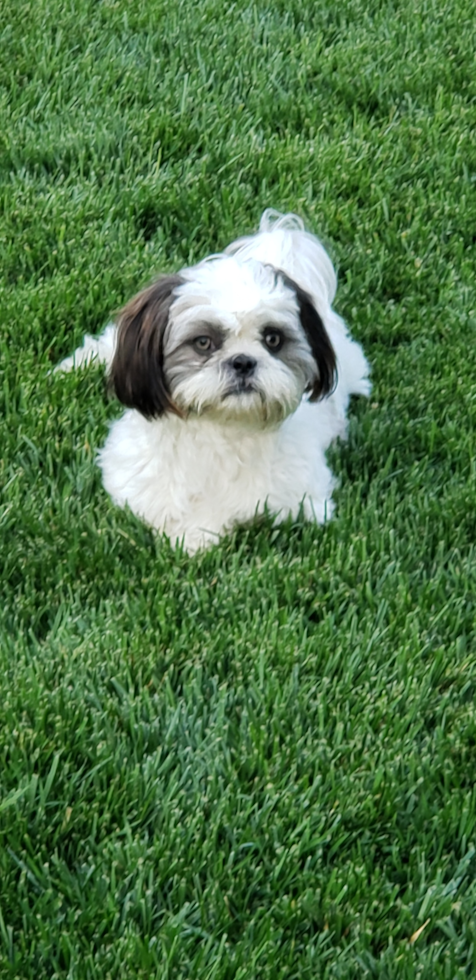
Grooming a Shih Tzu is an important aspect of owning this breed, as its long and silky coat requires regular maintenance to keep it looking its best. The following are some key considerations for grooming a Shih Tzu:
- Brush regularly: The coat of a Shih Tzu is prone to matting and tangling, so it's important to brush it at least twice a week to remove any knots and tangles.
- Bathe frequently: Shih Tzus should be bathed every 4-6 weeks to keep their coat clean and prevent matting. It's important to use a mild dog shampoo and to rinse thoroughly to avoid any skin irritation.
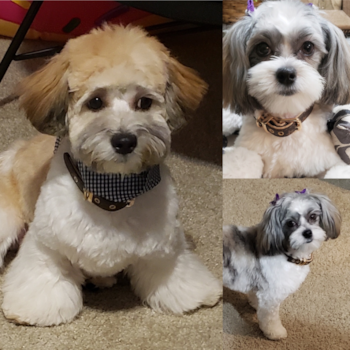
- Trim hair: To maintain the coat's appearance, it's important to trim the hair around the ears, feet, and tail every few months. This will help to keep the coat neat and tidy.
- Clean ears: Shih Tzus have long hair that can easily become tangled in their ears. It's important to keep the ears clean and free of debris to avoid ear infections.
- Brush teeth: Shih Tzus are prone to dental issues, so it's important to brush their teeth regularly to keep them clean and healthy.
- Clip nails: As with all dogs, it's essential to keep their nails trimmed to avoid any discomfort or pain.
Groom eyes: Their long hair can also get caught in their eyes, causing irritation. It's important to keep the hair trimmed around their eyes and to wipe away any debris.
- Groom the tail: The tail of a Shih Tzu is covered in long hair that can become matted and tangled if not groomed properly. Brush the tail regularly and trim any excess hair.
Grooming a Shih Tzu requires regular maintenance. For tips on how often you should bathe your dog and other grooming insights, check out out guide on How Often Should You Bathe Your Dog? Guide. Additionally, dental care is crucial for Shih Tzus. Learn more about maintaining your dog's oral health in our Brushing Puppy Teeth Guide.
Exercise Needs
The Shih Tzu is a small, playful, and energetic breed that requires regular exercise to maintain a healthy and happy lifestyle. While they are a small breed, they have a lot of energy and enjoy being active.
Shih Tzus do not require a lot of space to exercise, so they are well-suited for apartment living. A short daily walk or a few minutes of playtime in a small backyard or indoor space is sufficient for their exercise needs. They also enjoy playing fetch and tug-of-war, which provide both physical and mental stimulation.
Shih Tzus are also good candidates for agility training and can be taught to navigate obstacle courses, which can help to keep them physically and mentally stimulated. They are also great candidates for dog sports such as rallies, obedience, and more.
It's important to keep in mind that while the Shih Tzu is a small breed, they still need regular exercise to maintain a healthy weight and to keep their muscles and joints in good condition. Regular exercise will also help to keep them mentally stimulated, which can help to prevent behavioral issues.
Overall, the Shih Tzu is a small but energetic breed that requires regular exercise to maintain a healthy and happy lifestyle. They are adaptable to different living environments and can enjoy a variety of activities such as walks, playtime, agility training, and dog sports. With proper exercise, the Shih Tzu will be a happy, healthy, and well-behaved companion.
Health
The Shih Tzu is a generally healthy and robust breed with a lifespan of around 10-16 years. They are known for their longevity and are considered a relatively hardy breed. They are small in size, and this also contributes to their overall good health.
Like all breeds, the Shih Tzu may be prone to certain health issues. Some of the most common health concerns for the breed include:
- Respiratory problems: Shih Tzus have a short nose and a flat face, which can make it difficult for them to breathe. They may be prone to respiratory problems, such as wheezing or snoring.
- Dental issues: Shih Tzus are prone to dental issues, such as tartar buildup, gum disease, and tooth decay. Regular teeth brushing and dental check-ups are recommended to maintain oral health.
- Skin allergies: Shih Tzus may be prone to skin allergies, which can cause itching, redness, and hair loss. Regular grooming and bathing can help to prevent and manage skin allergies.
However, with proper care and regular veterinary check-ups, these health issues can be prevented or managed. It is important to provide your Shih Tzu with a healthy diet, regular exercise, and a clean-living environment, which will aid in maintaining their overall health and well-being.
Overall, the Shih Tzu is a generally healthy and robust breed that can enjoy a long and happy life with proper care. With regular veterinary check-ups, a healthy diet, and exercise, you will be able to keep your Shih Tzu healthy and happy for many years.
Lifespan
The Shih Tzu is a small dog breed with an average lifespan of around 10-16 years. With proper care and regular veterinary check-ups, some Shih Tzus can live well into their teenage years. The oldest known Shih Tzu on record lived to be 23 years old.
There are records of several Shih Tzus living past 16 years, and with proper care, they can live to be even older. The key to a long and healthy lifespan for the Shih Tzu is regular veterinary check-ups, a healthy diet, regular exercise, and proper grooming.
Overall, the Shih Tzu is a small breed with a lifespan of around 10-16 years, with some living well into their teenage years and even older. With proper care, a healthy diet, and regular exercise, the Shih Tzu can enjoy a long and happy life as a beloved companion and family pet.
Training
Training a Shih Tzu puppy can be a rewarding experience. These small, intelligent dogs are highly trainable and eager to please their owners. They are quick learners and respond well to positive reinforcement techniques.
- Start early: It's important to start training your Shih Tzu puppy as soon as you bring them home. This will help to establish a strong bond between you and your puppy, and it will also help to prevent any behavioral issues from developing later on.
- Use positive reinforcement: Shih Tzus respond well to positive reinforcement techniques, such as treats and praise. This will help to keep them motivated and engaged during training sessions.
- Keep training sessions short: Shih Tzus have short attention spans, so it's important to keep training sessions short and sweet. Start with 5-10-minute training sessions and gradually increase the length as your puppy gets older and more advanced.
- Potty training: Potty training is an important part of training a Shih Tzu puppy. Consistency is key, take your puppy out frequently and reward them when they go potty in the designated area.
- Basic commands: Teaching your Shih Tzu puppy basic commands such as sit, stay, come, and heel will help to establish good manners and obedience.
- Socialization: It's important to socialize your Shih Tzu puppy from an early age. This will help them to become well-adjusted and confident adults.
- Consistency: Consistency is key in training a Shih Tzu puppy. Stick to a regular training schedule and be consistent with the commands and techniques you use.
- Patience: Training a puppy takes patience, so be prepared to be patient. Consistency and positive reinforcement will help your Shih Tzu puppy to learn quickly and effectively.
Overall, training a Shih Tzu puppy can be a fun and rewarding experience. These small, intelligent dogs are highly trainable and respond well to positive reinforcement techniques. With patience, consistency, and a positive attitude, you will be able to train your Shih Tzu puppy to be a well-behaved, obedient, and loving companion. It's important to start training early and to keep training sessions short and positive.
Teaching basic commands, potty training, and socialization are key in training a Shih Tzu puppy. It's also important to remember to be patient and to have fun while training. With the right approach, training a Shih Tzu puppy can be an enjoyable and fulfilling experience that will lead to a lifetime of happy companionship.
Training a Shih Tzu can be a delightful experience as they are eager learners. If you're looking for general training tips, especially for puppies, our blog on Early Training: Key Cavapoo Puppy Behaviors offers valuable insights, even if it's centered on another breed.