Grooming
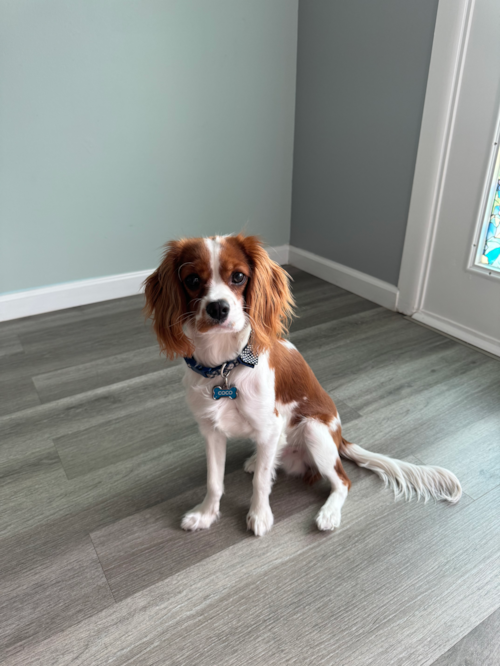
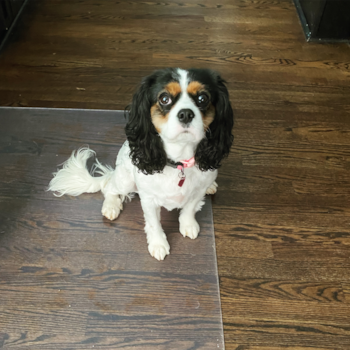
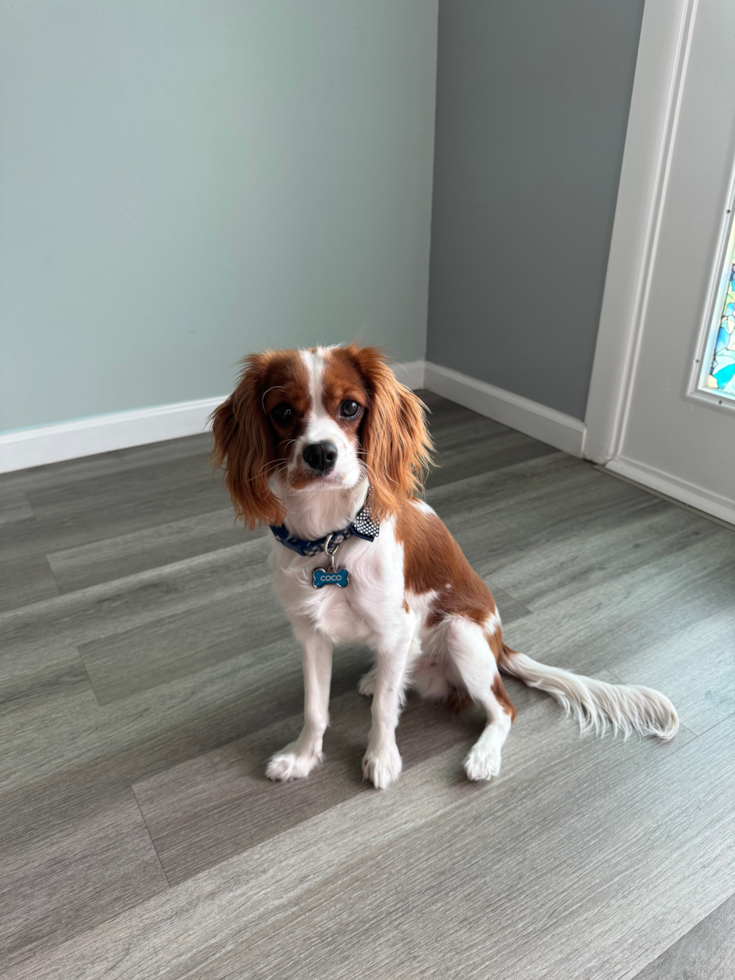
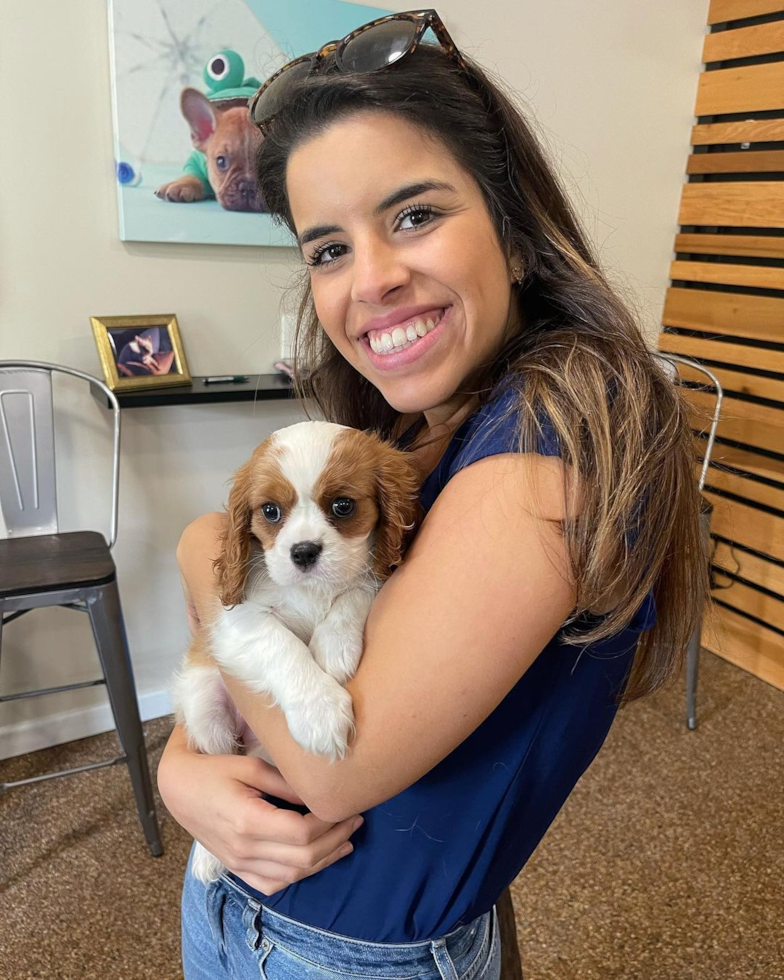
While Cavaliers may look like aristocrats straight out of a 17th-century painting, don't be fooled into thinking they require a royal entourage for their grooming needs. These charming canines come with a coat that, while luxurious, is refreshingly straightforward to maintain.
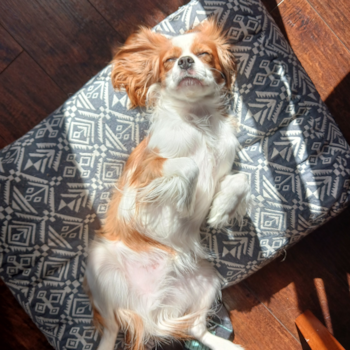
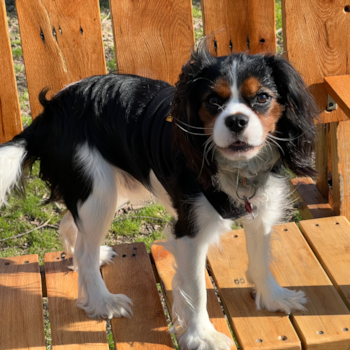
Firstly, the Cavalier King Charles Spaniel sports a silky, medium-length coat that lacks the typical undercoat seen in many breeds. This means less shedding and fewer matting issues, although regular brushing is still a must. A gentle brush-down several times a week with a slicker or bristle brush can keep their coat free of tangles and looking its glossy best.
Be sure to pay special attention to the Cavalier's feathering—the longer hair on the ears, chest, tail, and legs—as these areas can be prone to knotting. A comb can work wonders in these areas, detangling knots before they evolve into stubborn mats.
In terms of bathing, Cavaliers don't require frequent baths. Every few weeks or so should be enough, or whenever your furry friend decides to take a romp in the mud. Always use a dog-friendly shampoo to preserve the natural oils in your Cavalier's skin and coat.
Ear care is particularly important for Cavaliers, as their beautiful, long ears can also create a warm, moist environment that may lead to infections. Regular checks and gentle cleanings with a vet-approved solution can keep these potential issues at bay.
One element that should be part of every grooming routine is dental care. Brushing your Cavalier's teeth several times a week can prevent tartar buildup and promote overall health. And let's not forget those nails—regular trims can prevent overgrowth and the problems associated with it.
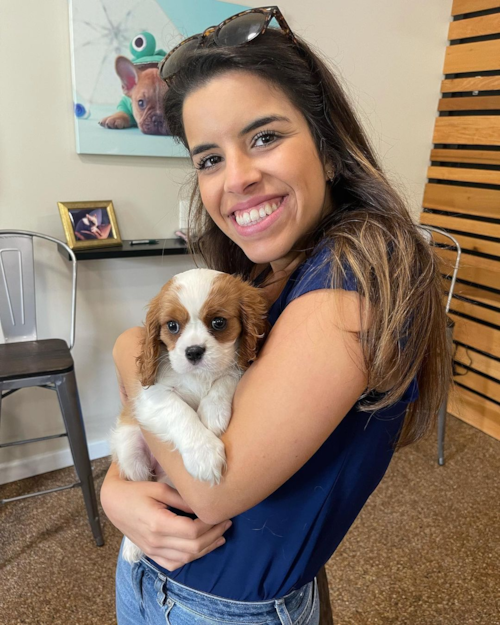
Lastly, grooming is more than a beauty regimen. It's a bonding time, a health check, and a way to keep your Cavalier King Charles Spaniel feeling comfortable and happy. As you groom, check for any skin abnormalities, bumps, or parasites that might have escaped your notice.
While grooming your Cavalier King Charles Spaniel, it's essential to ensure they are comfortable and trust you. Building trust with your dog is crucial, especially during grooming sessions. For more information on how trust can be ruined and rebuilt with dogs, check out our detailed guide.
Brushing your Cavalier's teeth is an essential aspect of their grooming routine. For a comprehensive guide on brushing puppy teeth, check out our dedicated blog post.
Exercise Needs
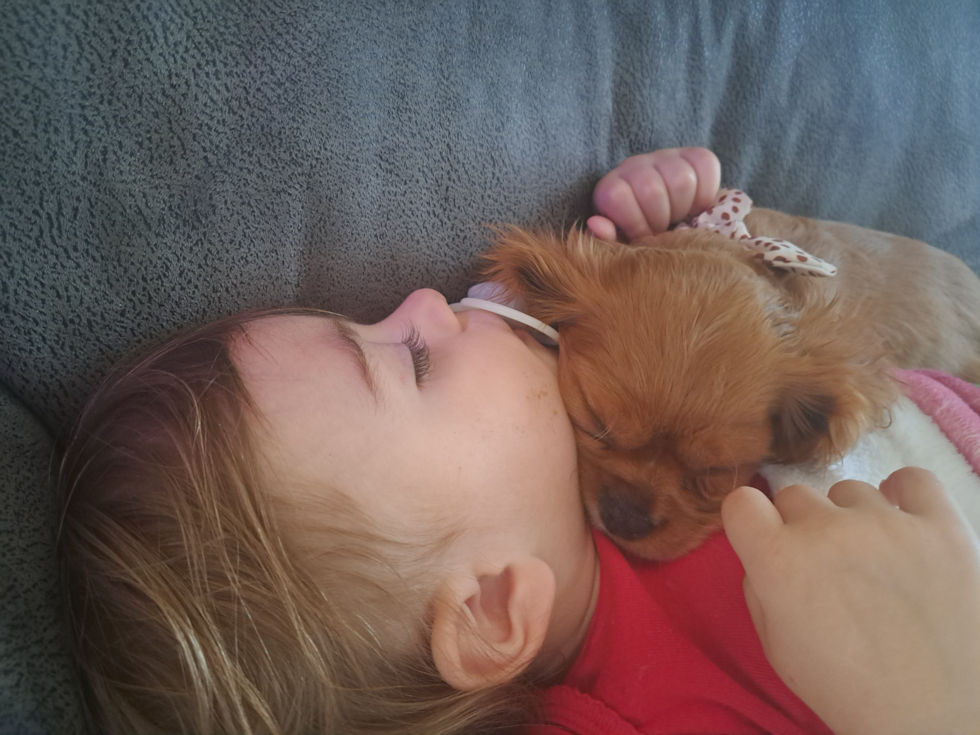
Even though the Cavalier King Charles Spaniel might strike a regal pose on your sofa, don't be mistaken. Beneath that royal exterior beats the heart of a pup that loves to frolic and play. Yes, these dogs are undeniably affectionate and love to cuddle, but they also require regular exercise to keep them at their happiest and healthiest.
Now, we're not talking about a marathon training level of exercise here. Cavaliers are small dogs with equally modest exercise requirements. A couple of daily walks, around 20 to 30 minutes each, should suffice.
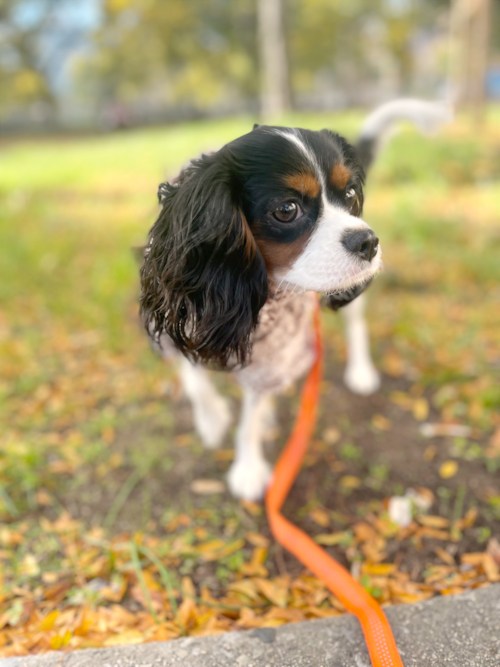
Remember, Cavaliers are sociable creatures and thrive on interaction. So, keep those walks varied and exciting. A stroll through the neighborhood, a romp in a secure dog park, or a hike on a dog-friendly trail could provide excellent opportunities for both physical exercise and social stimulation.
But walking isn't the only form of exercise that a Cavalier King Charles Spaniel enjoys. These dogs were originally bred for hunting, which means they adore a good game of fetch. Toss a ball in your backyard or play a game of chase, and you'll quickly discover the athletic side of your royal fur buddy.
What about those days when the weather isn't cooperating? No problem. Indoor games like hide-and-seek or tug-of-war can provide a Cavalier with mental and physical stimulation. Puzzle toys filled with treats can also be an excellent way to challenge your dog's mind while providing them with a little exercise.
As a breed, Cavaliers are also known to excel in dog sports like agility, obedience, and rally. Not only can these activities provide a great form of exercise, but they also offer an excellent way to deepen the bond between you and your canine companion.
Just remember to monitor your Cavalier during exercise. While they may be energetic, they're still small dogs and can be prone to overexertion. Always ensure your Cavalier has access to fresh water and try to avoid exercising in overly hot conditions.
Health
Although the Cavalier King Charles Spaniel is generally a robust breed, it's prudent for pet parents to be aware of specific health concerns prevalent in these dogs. Being informed about their health predispositions enables owners to provide the best care for their beloved fur buddies.
Like many breeds, the Cavalier King Charles Spaniel is susceptible to certain eye conditions, such as cataracts. Regular eye exams can help spot this condition early, maintaining the quality of life for your furry friend.
Ear infections can be another health concern due to their long, floppy ears that can limit air circulation. Regular ear checks and cleaning can prevent infections from taking hold.
Life Span
A Cavalier King Charles Spaniel's lifespan typically ranges between 9 and 15 years. However, this can vary depending on various factors, including diet, exercise, genetics, and overall healthcare. With appropriate care and attention, these loyal companions can be with you well into their golden years.
Proper nutrition plays a crucial role in extending your Cavalier's lifespan. A diet high in quality protein, balanced with fruits, vegetables, and grains, can help keep your furry friend in optimal health. Also, considering Cavaliers are prone to obesity, keeping their weight in check is vital. Portion control and regular, vet-approved treats can ensure your pet remains at a healthy weight.
Daily exercise also contributes to your Cavalier's longevity. Although they're not as high-energy as some breeds, Cavaliers do enjoy regular, moderate exercise to keep their hearts healthy and stave off boredom. Walks, gentle hikes, and playtime can all contribute to their overall well-being and longevity.
Yearly veterinary check-ups are essential for monitoring your Cavalier's health, especially considering the breed's predisposition to certain genetic health conditions. These regular visits will allow your vet to detect any potential problems early and take the necessary preventative steps or treatments.
Cavaliers are known for their companionship and love of people, meaning a nurturing, affectionate home environment can also contribute to their life expectancy. Emotional well-being is just as important as physical health, so plenty of love, attention, and mental stimulation can help ensure a long, happy life for your Cavalier King Charles Spaniel.
Training
Training a Cavalier King Charles Spaniel, with their naturally sociable and eager-to-please nature, can be a rewarding experience for both pet and owner. This breed is known for its intelligence, adaptability, and love for people, making them great candidates for various training methods.
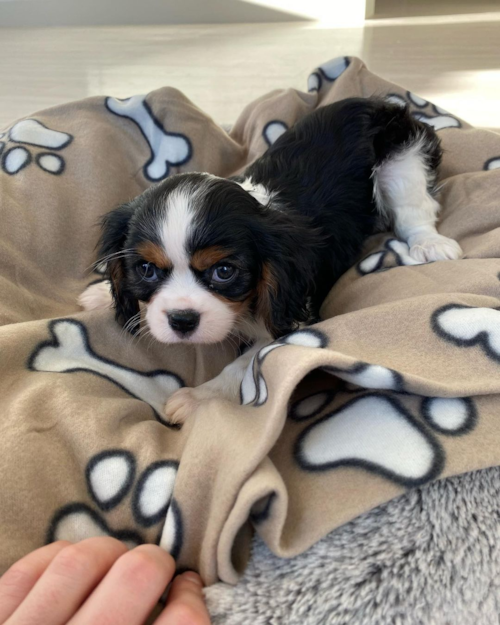
A key aspect of training any Cavalier is early socialization. Due to their sociable temperament, it's crucial to expose your Cavalier puppy to a variety of people, environments, sounds, and experiences. This helps shape them into well-adjusted, confident adult dogs who are comfortable in diverse settings and situations.
Positive reinforcement is a highly effective training technique for Cavaliers. They respond well to rewards, whether they're tasty treats, encouraging words, or a gentle scratch behind the ears. Remember, these dogs crave your attention and approval, so any training approach should nurture their bond with you rather than instill fear or confusion.
Cavaliers are sensitive dogs and don't respond well to harsh training methods. Negative reinforcement or punishment can cause fear, anxiety, and behavioral issues, so it's best to avoid these methods. Instead, focus on consistency, patience, and positivity during training sessions.
Another significant aspect of training your Cavalier is teaching them to manage their energy levels. While Cavaliers are generally more laid-back than other breeds, they still have bursts of energy that need to be managed. Teach them to enjoy calm, quiet times just as much as they do playtime.
Cavaliers can also be trained for dog sports like agility, obedience, and rally. Their high intelligence and eagerness to please make them good candidates for these activities. Training for dog sports can help keep your Cavalier mentally and physically stimulated, strengthening your bond with them in the process.
Crate training is another crucial part of your Cavalier's training regimen. It not only aids in housetraining but also provides a safe, secure place for your pet to retreat when they need a break. Start crate training early and ensure the crate is a positive, inviting space.