


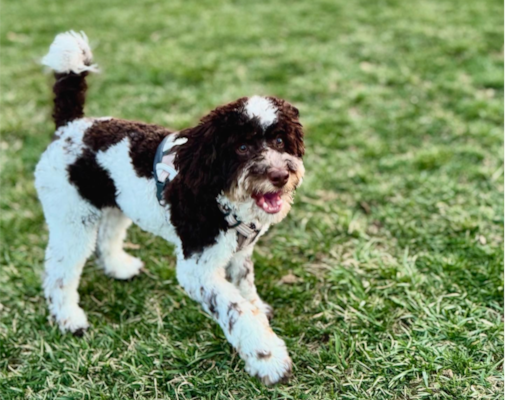
Published Friday, April 3, 2026 by Elena R. in Popular Dogs, New Puppy
Cockapoo generations come up in almost every search, yet they’re rarely explained in a way that actually helps. You’ll see terms like F1, F1b, or multigen next to Cockapoo puppy listings. It’s easy to assume that a higher generation means a better dog, or that one label automatically fits your needs. That’s where most of the confusion starts.
These labels don’t rank Cockapoos. They describe how a puppy is bred, and that one detail shapes how consistent certain traits are likely to be.
Coat type, shedding, and grooming needs are not random. They follow patterns based on genetics. Some Cockapoo generations produce a wider range of outcomes, while others narrow that range and make traits easier to predict. That difference matters, especially if you have specific expectations around shedding or maintenance.
At the same time, no generation offers guarantees. Each one comes with trade-offs. More predictability in one area often means a shift in another. Once you understand how Cockapoo generations work, the labels stop feeling technical. They become a practical way to decide what fits your lifestyle and what doesn’t.
Table of Contents
What “F1, F1b, and F2” Mean
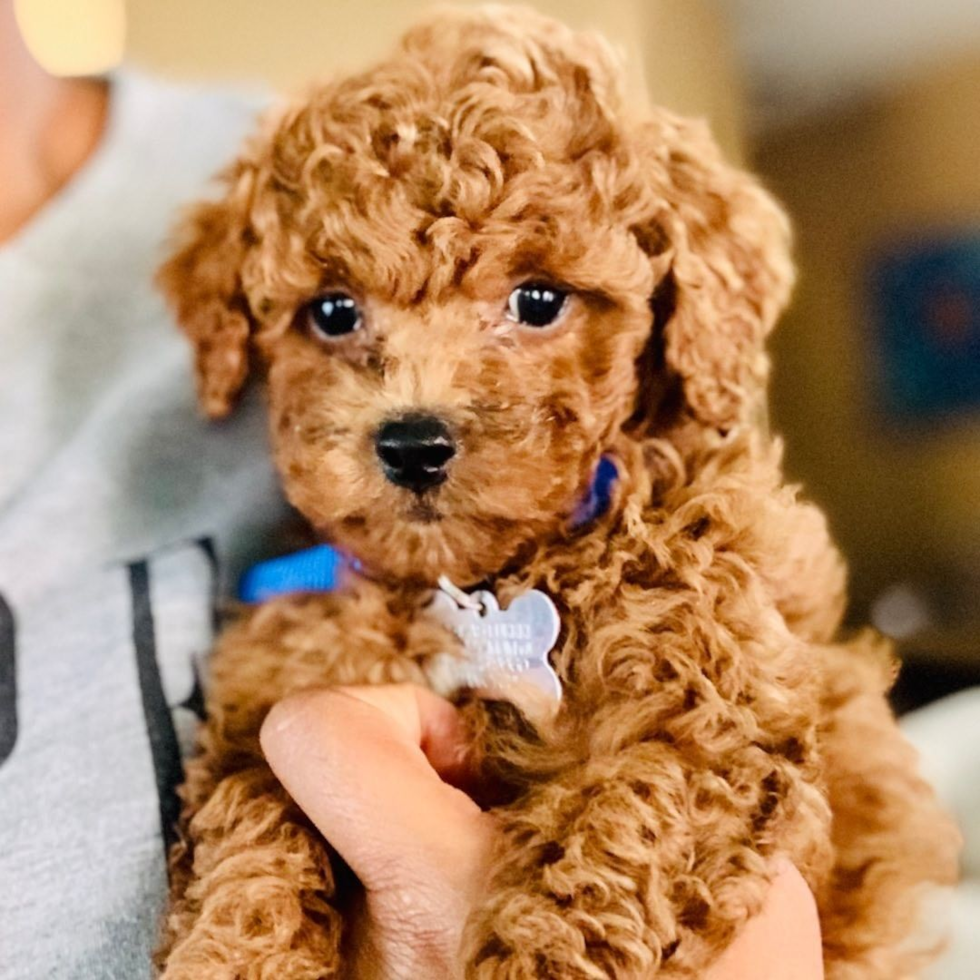
Cockapoo generations follow a simple structure once you break them down.
An F1 Cockapoo is the starting point. One purebred Poodle is bred with one purebred Cocker Spaniel. The result is a first-generation mix with an even genetic split between the two breeds.
From there, breeders can take two different directions.
One option is to breed Cockapoos together. When two F1 Cockapoos are paired, the result is an F2 Cockapoo. At this stage, the genetics no longer follow a clean fifty-fifty split. Each parent already carries a mix of traits, so the way those traits combine becomes less predictable.
The other option is to breed a Cockapoo back to one of the original parent breeds. This is called a backcross. When an F1 Cockapoo is bred with a Poodle, the result is an F1b Cockapoo. That step increases the influence of the Poodle and shifts the likelihood of certain traits, especially coat type and shedding.
This pattern continues with further backcrossing. An F1bb Cockapoo comes from breeding an F1b back to a Poodle again, which strengthens those same traits even more.
Beyond these early generations, breeders may continue pairing Cockapoos over several generations with the goal of creating more consistency. These are referred to as multigenerational Cockapoos. Each of these terms describes a breeding decision. Those decisions shape how traits show up, how much variation to expect, and how predictable a Cockapoo is likely to be.
RELATED: Top 12 Pros and Cons of Owning a Cockapoo
Cockapoo Generations - Clear Breakdown
F1 Cockapoo (50% Poodle / 50% Cocker Spaniel)
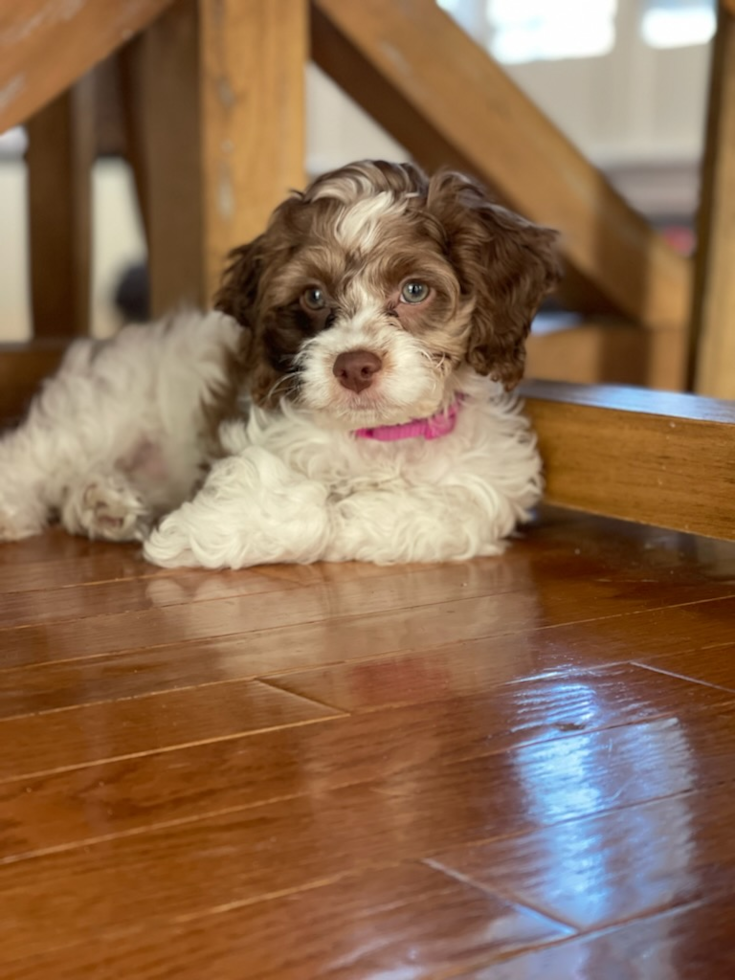
The F1 Cockapoo is the foundation of the breed. It comes from a direct cross between a purebred Poodle and a purebred Cocker Spaniel, which means each parent contributes an equal share of genetics.
That balance sounds precise, but it doesn’t lead to identical outcomes. Each puppy inherits a different combination of traits, so variation shows up right away. Within the same litter, one puppy may develop a soft, wavy coat, another may lean toward loose curls, and another may carry a straighter texture that resembles the Cocker Spaniel side more closely.
Shedding follows a similar pattern. Most F1 Cockapoos fall into the low to moderate shedding range, but there is no exact standard. The coat type plays a role here, and since the coat itself varies, shedding does as well.
This generation often appeals to people who want a true mix of both breeds without pushing traits in one direction. It reflects the original idea behind the Cockapoo. At the same time, it requires a level of flexibility. You can look at the parents and form a reasonable expectation, but you cannot lock in a specific result. The F1 Cockapoo offers balance, but it does not offer precision.
RELATED: Complete Cockapoo Colors Guide: Patterns, Fading + Photos
F1b Cockapoo (Backcross to Poodle)
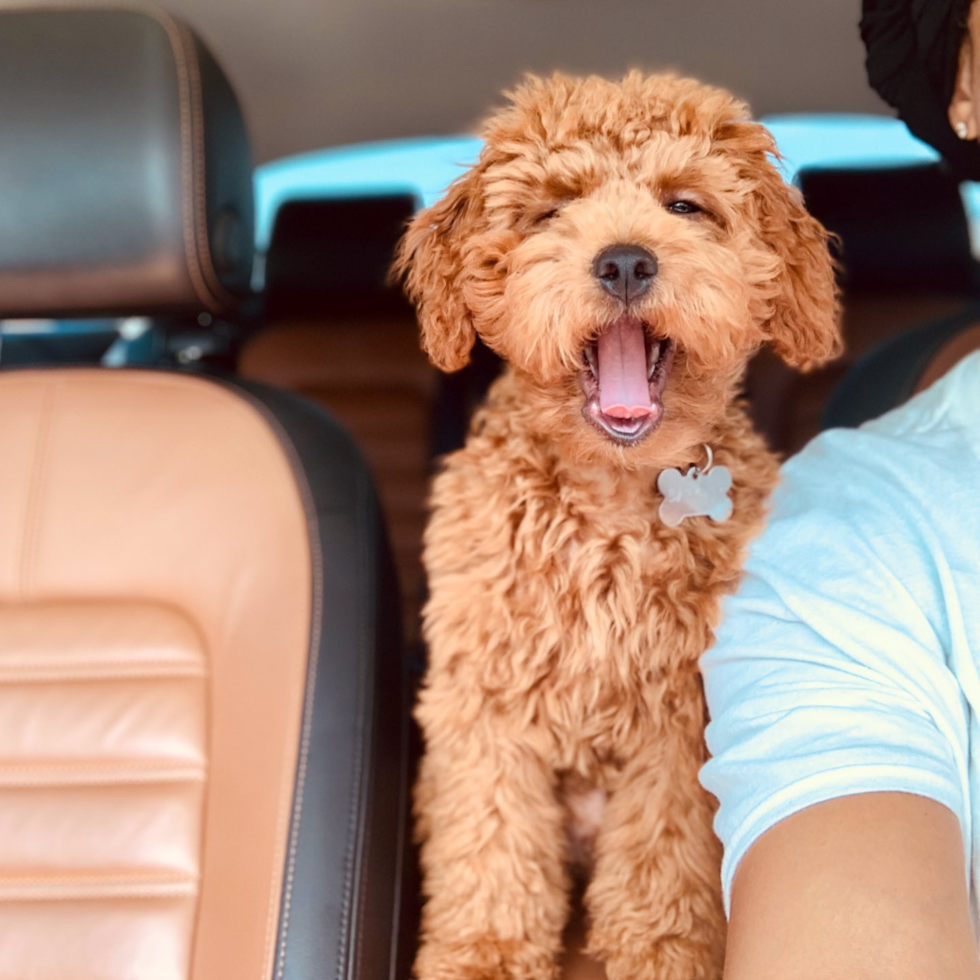
The F1b Cockapoo brings a bit more control to the outcome. In this case, an F1 Cockapoo is bred with a Poodle. That single step changes the genetic balance and increases the influence of the Poodle side. The impact shows up most clearly in the coat.
F1b Cockapoos tend to develop curlier coats, and with that comes a lower likelihood of shedding. This is why the F1b Cockapoo is often recommended for people who are concerned about shedding or who are searching for a more allergy-friendly option. The improvement is not absolute, but it is consistent enough to make a meaningful difference when compared to an F1.
There is a trade-off that comes with that shift. As the coat becomes curlier, maintenance demands a bit more attention. Regular brushing is necessary to prevent tangling, and professional grooming becomes part of the routine rather than an occasional need.
Another point worth noting is predictability. While no generation can guarantee a specific outcome, the F1b narrows the range. Coat types tend to fall within a more defined pattern, which makes it easier to anticipate grooming needs and overall upkeep. This balance between lower shedding and improved consistency is what makes the F1b Cockapoo one of the most commonly chosen generations.
RELATED: Cockapoo Grooming Guide: Pictures, Expert Tips & More
F1bb Cockapoo (Second Backcross)
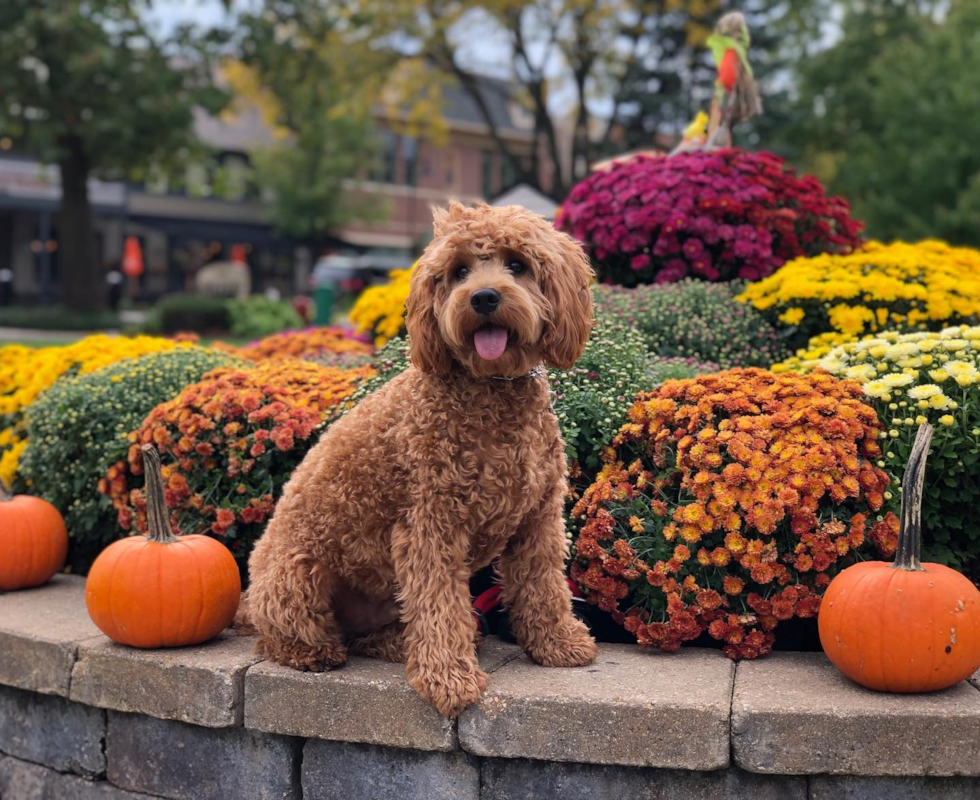
The F1bb Cockapoo takes the same approach as the F1b and pushes it further. At this stage, an F1b Cockapoo is bred with a Poodle again. This second backcross increases the Poodle influence to a point where the outcome becomes much more consistent, especially in coat type.
Most F1bb Cockapoos develop tight, dense curls. Shedding tends to be very low, and the coat behaves in a way that closely resembles the Poodle. For individuals who are highly sensitive to shedding, this generation offers one of the most reliable options within Cockapoo breeding.
That level of consistency doesn’t come without a shift. The stronger Poodle influence reduces the variation that defines earlier generations. The Cocker Spaniel traits are still present, but they play a smaller role in how the dog looks and maintains its coat.
Grooming also becomes more time-consuming. Curly coats require regular brushing and consistent grooming appointments to stay in good condition. Without that upkeep, matting can develop quickly.
The F1bb Cockapoo is about predictability. For some owners, that is exactly the goal.
RELATED: Brown Cockapoo: Guide to all Shades of Brown
F2 Cockapoo (Two F1 Parents)
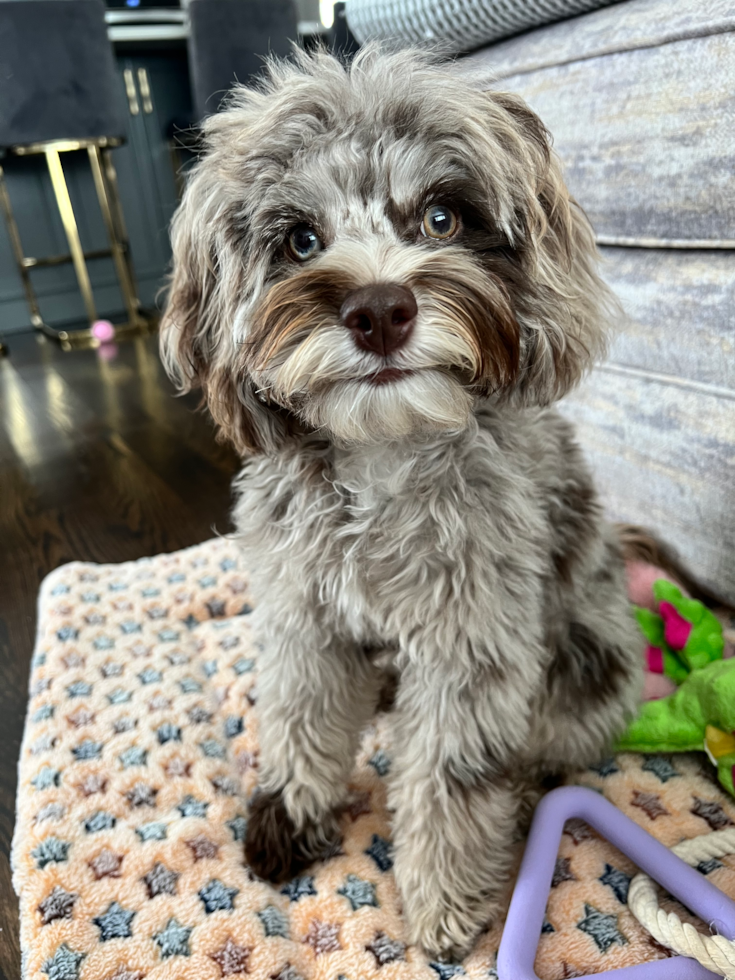
The F2 Cockapoo follows a different path, and this is where expectations often shift. Instead of breeding back to a purebred parent, two F1 Cockapoos are paired together. At first glance, that might suggest more consistency since both parents are already Cockapoos. In practice, the opposite tends to happen.
Each F1 parent carries a mix of Poodle and Cocker Spaniel traits. When those mixes combine, the genetic outcomes spread out rather than narrow down. Traits can reappear in different combinations, including ones that were less visible in the previous generation.
This shows up most clearly in the coat. Within a single F2 litter, you may see straight coats, soft waves, and tighter curls. Shedding levels can vary alongside coat type, which makes it harder to predict grooming needs ahead of time.
This variation doesn’t mean lower quality. It reflects how mixed genetics behave when they are combined again without a step that guides the outcome in a specific direction.
For someone who values variety and doesn’t need a defined coat type, the F2 Cockapoo can still be a strong choice. For someone who wants a clear expectation, it may feel less certain.
RELATED: The Merle Cockapoo: Expert Guide to Blue and Chocolate Merle Coats
F2b Cockapoo
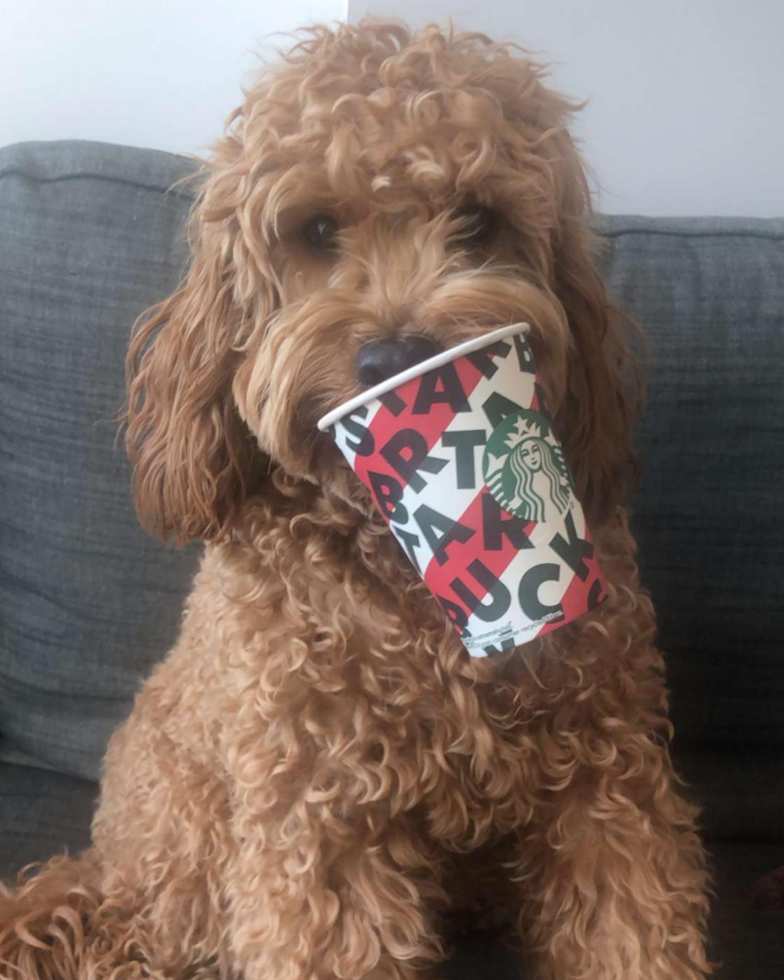
The F2b Cockapoo is an attempt to bring some structure back after the variation seen in the F2 generation. In this case, an F2 Cockapoo is bred with a Poodle. The goal is familiar. Increase the likelihood of a curlier coat and reduce shedding by adding more Poodle influence.
On the surface, this sounds similar to the F1b Cockapoo. The key difference sits in the starting point.
An F1 Cockapoo has a clear and even genetic split. When that dog is bred back to a Poodle, the outcome moves in a more predictable direction. An F2 Cockapoo does not have that same structure. It already carries a wider range of genetic combinations, and that variation doesn’t disappear with a single backcross.
As a result, the F2b Cockapoo can show improvement in coat type and shedding, but the consistency is not as strong as what you see in an F1b. Some cockapoo puppies may develop a coat that behaves very much like an F1b, while others may still reflect the broader variation of the F2 generation.
This distinction often goes unnoticed, yet it becomes important when comparing generations side by side. An F2b can move traits in the right direction, but it doesn’t narrow the outcome in the same way.
RELATED: Are Cockapoos Hypoallergenic? Do Cockapoos Shed?
Multigenerational Cockapoo
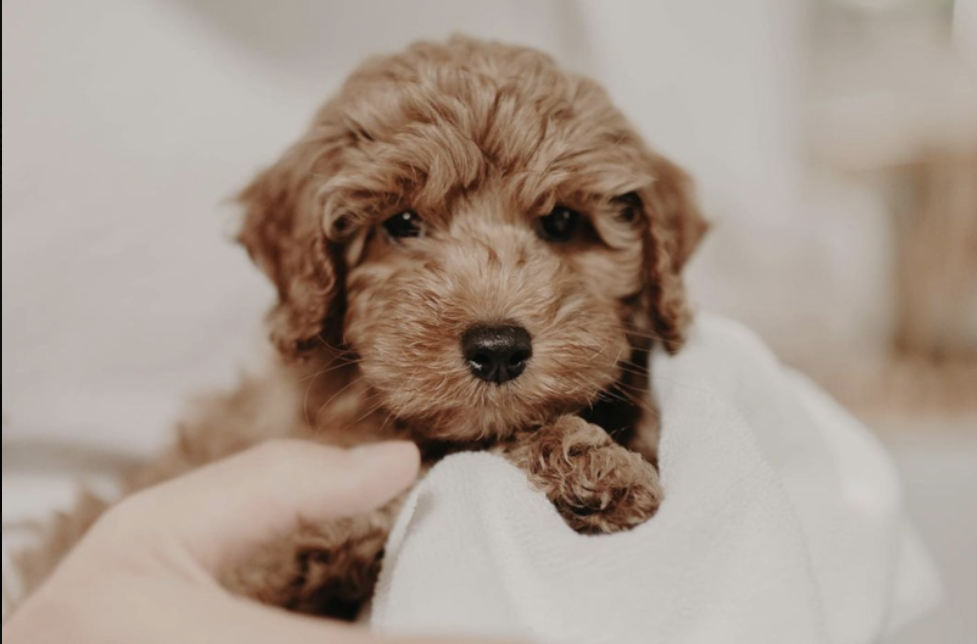
The multigenerational Cockapoo reflects a more deliberate approach to breeding.
Instead of relying on a single cross or a backcross, breeders work across several generations of Cockapoos and select dogs that show the traits they want to carry forward. Over time, this creates a more controlled range of outcomes.
The difference is clear in the coat. Multigenerational Cockapoos tend to fall within a narrower range of textures, most often in the wavy to curly spectrum. Shedding levels also become more consistent, which makes grooming expectations easier to plan for.
This level of consistency comes from repeated selection. Dogs with similar coat types and maintenance patterns are bred together, and that pattern holds over time. That said, variation does not disappear. Genetics still allow for differences, but those differences stay within a more defined range compared to earlier generations.
Multigenerational Cockapoos appeal to buyers who want predictability without pushing too far toward one side. They offer a more stable version of the breed, where expectations around coat and care are easier to match with everyday life.
RELATED: Introduction to Cockapoo Haircuts and Grooming Styles
F1 vs F1b vs F2b vs F2bb vs multigen Cockapoo - Quick Comparison
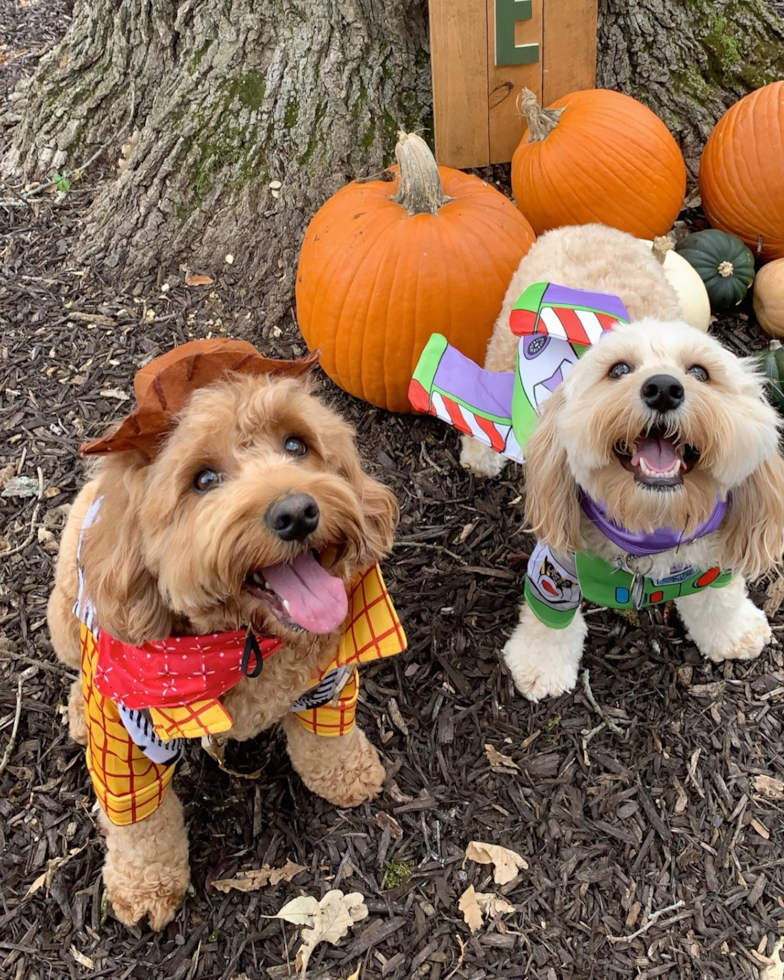
Looking at each Cockapoo generation on its own helps, but the differences become clearer when they sit side by side.
The main factors people care about tend to repeat. Coat type, shedding, and how consistent those traits are from one puppy to the next. Once you compare those directly, the pattern across generations starts to stand out.
| Generation | Coat Predictability | Shedding Level | Consistency | Best Fit |
| F1 | Moderate | Low to moderate | Variable | Balanced mix of traits |
| F1b | Higher | Low | More consistent | Lower shedding preference |
| F1bb | High | Very low | Very consistent | Maximum low-shedding focus |
| F2 | Low | Variable | Unpredictable | Open to variation |
| F2b | Moderate | Low | Mixed | Middle ground |
| Multigen | Hight | Low | High | Predictability and consistency |
A few patterns stand out when you read this across instead of down.
As you move from F1 to F1b and then to F1bb, predictability increases and shedding tends to decrease. That shift comes from the added Poodle influence, which shapes the coat in a more consistent way.
When you move from F1 to F2, the pattern changes. Variation increases, and the outcome becomes less predictable. That is not a step forward or backward. It is simply a different direction.
Multigenerational Cockapoos follow their own path. Instead of relying on a single breeding decision, they build consistency over time. The result sits closer to F1b or F1bb in terms of predictability, but it comes from a different process.
This comparison is where the idea of trade-offs becomes clear. Each generation adjusts the balance between variation and consistency, rather than improving on the one before it.
RELATED: Male vs Female Cockapoo: Which Is Better for You?
Which Cockapoo Generation Is Best for You?
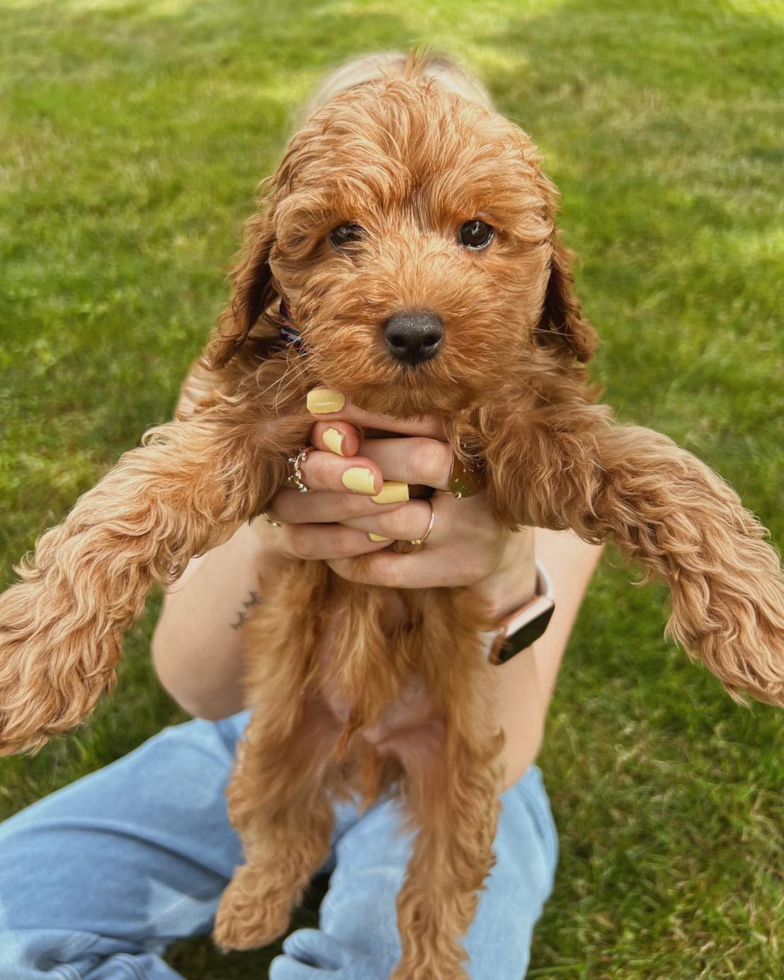
The honest answer depends on what you expect day to day, not on the label itself. If shedding is a concern, the direction becomes clearer. F1b, F1bb, and multigenerational Cockapoos tend to offer the most consistent results when it comes to lower shedding. The added Poodle influence in F1b and F1bb increases the likelihood of a curlier coat, while multigenerational breeding works toward the same outcome through selection over time. None of these remove shedding completely, but they reduce the range of possibilities.
If you prefer a balanced mix of both breeds, the F1 Cockapoo stays closest to that original structure. It carries traits from both the Poodle and the Cocker Spaniel without shifting the balance in one direction. The trade-off is that coat type and grooming needs can vary more from one puppy to the next.
If you are comfortable with variation and don’t need a predictable coat, the F2 Cockapoo is a valid option. It offers a wider range of outcomes, which can appeal to those who are open to different coat types and maintenance levels.
If consistency matters most, multigenerational Cockapoos tend to offer the most stable expectations. Their traits fall within a narrower range, which makes it easier to anticipate grooming, shedding, and overall care.
There is no single generation that fits every situation. Each one aligns with a different priority. The key is to decide what matters most to you and choose the generation that supports that choice.
Elena R.
About The Author
Elena is a leading expert in the field of dog behavior, care, and training, with over a decade of experience in writing about dogs. As a published writer and lifelong dog enthusiast, Elena currently shares her home with three beloved canine companions. She is dedicated to staying up to date on the latest advancements in dog care and training, ensuring that her articles provide readers with accurate and valuable insights. With her extensive knowledge and passion for all things canine, Elena's contributions to the Premier Pups community offer both expertise and authority on a wide range of dog-related topics.
What To Read Next
Are Cockapoos Hypoallergenic? Do Cockapoos Shed?
Cockapoos have earned a strong reputation as allergy-friendly dogs, often listed among the breeds that shed the least. Their soft, often curly coats come from their Poodle parent, while their warmth and adaptability trace back to the Cocker Spaniel. Families looking... Read More
Top 12 Pros and Cons of Owning a Cockapoo
If you’ve ever met a Cockapoo, you know why people fall for them so easily. They have that unmistakable mix of intelligence and heart. They have alert eyes that seem to catch everything and a temperament that leans toward friendliness almost by default.
The... Read More
Frequently Asked Questions
Which Cockapoo generation is the best? There is no single best Cockapoo generation. Each one serves a different purpose. F1 Cockapoos offer a balanced mix of both breeds, but with more variation. F1b and F1bb Cockapoos increase predictability, especially for coat and shedding. Multigenerational Cockapoos focus on consistency over time. The right choice depends on what you value most, whether that is balance, lower shedding, or predictability.
Which Cockapoo generation sheds the least? F1bb Cockapoos and multigenerational Cockapoos tend to have the lowest shedding levels. F1b Cockapoos also fall into this category, with a strong likelihood of reduced shedding due to the added Poodle influence. F1 Cockapoos usually shed a bit more, and F2 Cockapoos can vary widely. Shedding is closely tied to coat type, so curlier coats tend to shed less than straighter ones.
Are Cockapoo generations hypoallergenic? No Cockapoo generation is completely hypoallergenic. That said, F1b, F1bb, and multigenerational Cockapoos are often considered more suitable for people with allergies because they are more likely to have low-shedding coats. This reduces the amount of dander released into the environment, but it does not remove it entirely.
Is an F1 or F1b Cockapoo better? Neither is better in a general sense. They offer different outcomes. An F1 Cockapoo gives you a more even mix of Poodle and Cocker Spaniel traits, but with less predictability. An F1b Cockapoo leans more toward the Poodle, which increases the likelihood of a curlier, lower-shedding coat. The decision comes down to whether you value balance or predictability.
Are multigenerational Cockapoos better than F1 or F1b? Multigenerational Cockapoos are not better, but they are often more consistent. Because they come from several generations of selective breeding, their coat type and shedding patterns tend to fall within a narrower range. This makes them easier to predict compared to F1 or F2 Cockapoos. However, they reflect a different breeding approach rather than a higher level of quality.
Do Cockapoo generations affect temperament? Cockapoo generations do not directly determine temperament. Personality depends more on the parents, early care, and environment. Two Cockapoos from different generations can have very similar temperaments if they share similar backgrounds. Generation plays a larger role in physical traits than in behavior.
What is the difference between F2 and F2b Cockapoo? An F2 Cockapoo comes from two Cockapoo parents. This often leads to a wider range of coat types and less predictability. An F2b Cockapoo comes from an F2 Cockapoo bred back to a Poodle. This increases the likelihood of a curlier, lower-shedding coat, but it does not create the same level of consistency seen in F1b Cockapoos. The starting point of the F2 generation keeps more variation in place.