EXPERT GUIDANCE
How Often Should I Take My Dog To The Vet?
Published viernes, 3 de febrero de 2023 by Madeline I in Dog Care & Safety
As pet owners, we all want to give our furry friends the best life possible. And one of the best ways to do that is by regularly taking them to the vet. But with so many factors to consider, it can be hard to know exactly how often to schedule those appointments. That's why it's important to understand what goes into determining the frequency of veterinary visits for your dog.
Whether it's for routine check-ups, vaccinations, or monitoring a pre-existing health condition, taking your dog to the vet is a crucial part of being a responsible pet owner. After all, it's not every day you get to hang out with someone who thinks you're the coolest person in the world and wags their tail non-stop just because you're in the same room. So why not make the most of it and keep your dog in tip-top shape at the same time?
In this article, we'll explore the different factors that influence how often you should take your dog to the vet, from breed and age to overall health and pre-existing conditions. By the end, you'll have a better understanding of what's best for your four-legged friend and why those trips to the vet are so important. So, grab a biscuit, sit back, and let's dive in!
Table of Contents
Regular check-ups
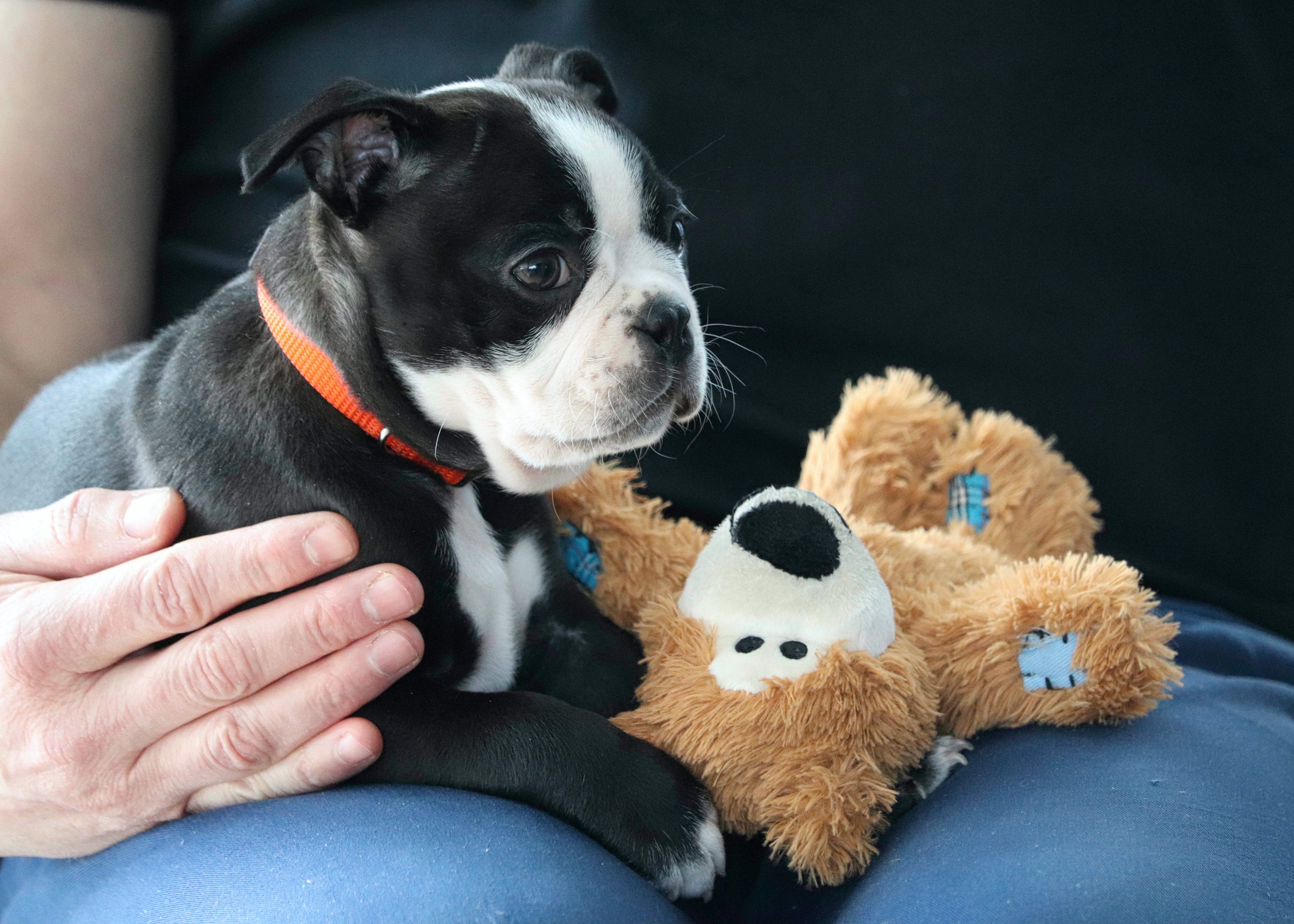
Regular check-ups for your furry friend are a must! It's like a trip to the salon for a much-needed makeover. But instead of a blow-out, your dog gets a full physical examination and a check-up from head to paw. And let's not forget about the opportunity for you to ask all those burning questions about your dog's health and behavior. It's like having a personal consultation with the canine health guru.
During a check-up, your vet will take your dog's vital signs, perform a thorough physical examination, and recommend any necessary lab work, like blood, and urine tests. This way, they can catch any health issues before they become bigger problems, kind of like finding a split end before it turns into a full-on hair disaster.
The frequency of check-ups may vary based on factors such as your dog's age, breed, and overall health. For example, senior dogs or dogs with health conditions may require more frequent check-ups, such as every 6 months or even every 3 months. It is best to discuss your dog's individual needs with your veterinarian and create a personalized plan based on their recommendations. Your furry sidekick will thank you for it.
In addition to regular check-ups, it is important to be aware of any changes in your little one’s behavior or appearance and to schedule additional visits to the vet as needed. Regular check-ups, combined with prompt attention to any changes in your dog's health, help ensure that any potential problems are detected and treated in a timely manner, ensuring the best possible outcomes for your furry friend.
RELATED: New Puppy Owner Guide
Vaccinations
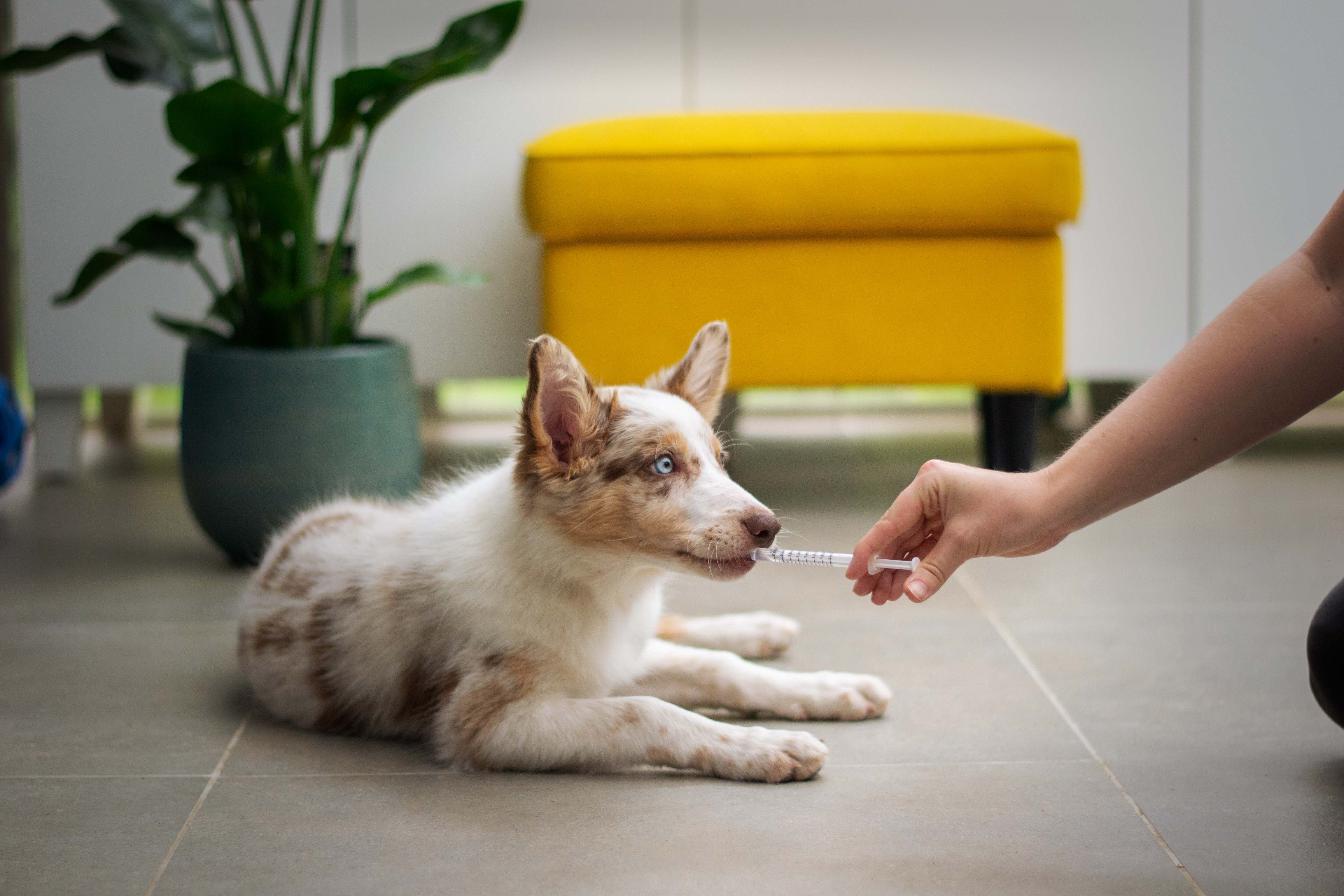
Vaccinations are a crucial part of keeping your dog healthy and protected against a variety of diseases. Just like you visit your doctor for a flu shot, your pup needs to be vaccinated to prevent serious health problems.
Vaccination schedules vary based on your dog's age, breed, lifestyle, and overall health. Puppies typically receive a series of vaccines starting at 6-8 weeks of age, with boosters given at specific intervals. For adult dogs, booster shots are usually given every 1-3 years, depending on the vaccine and your dog's individual needs.
Some of the most common vaccinations for dogs include protection against:
- Rabies: A serious viral disease that can be transmitted to humans and other animals. Rabies vaccination is required by law in most states and is typically given every 1-3 years, depending on the vaccine and local regulations.
- Canine parvovirus: A highly contagious viral illness that affects the digestive system.
- Canine distemper: A serious viral illness that affects the respiratory, nervous, and digestive systems.
- Canine Bordetella (kennel cough): A highly contagious respiratory illness that is often spread in kennels, grooming facilities, and other places where dogs congregate.
In addition to core vaccinations, your veterinarian may also recommend non-core vaccinations based on your dog's individual needs, such as protection against Lyme disease, leptospirosis, and other illnesses that are common in certain geographic areas.
It's important to keep your dog's vaccination records up-to-date and to follow your veterinarian's recommendations for boosting and revaccination. Regular vaccinations, along with other preventative measures such as flea/tick control and heartworm prevention, are essential for maintaining your dog's overall health and well-being.
RELATED: Week One with A New Puppy: See What to Expect
Preventive care

Preventive care is the ultimate superhero when it comes to keeping your dog healthy and happy. Just like Batman and Robin, regular check-ups and vaccinations team up to save the day for your furry friend.
Some of the things that make up preventive care for dogs include:
- Regular check-ups: As we mentioned earlier, these are a must for any dog looking to maintain their health and live life to the fullest. Your vet will give your pup a thorough once-over and run some tests, just to make sure everything is in tip-top shape.
- Vaccinations: These shots are like a shield of protection for your dog, keeping them safe from harmful diseases like rabies, parvovirus, and distemper.
- Parasite control: Fleas, ticks, and other creepy crawlies can really ruin a dog's day. Regular preventive treatments, like monthly flea and tick medications, can keep your pup protected and let them enjoy the great outdoors without any pesky interruptions.
- Dental care: Brushing your dog's teeth is just as important as brushing your own. Regular dental check-ups and brushing can prevent tooth decay and gum disease, so your pup can keep on smiling.
- Nutritional needs: Feeding your dog a balanced diet and giving them plenty of exercise can help keep them in shape and prevent health problems like obesity.
Preventive care is a lifelong commitment and requires regular attention to your dog's health and well-being. Work with your vet to create a personalized plan, and your pup will be unstoppable in their quest for good health.
RELATED: Puppy Feeding 101: A Comprehensive Guide for Raising a Healthy Pup
Signs of illness
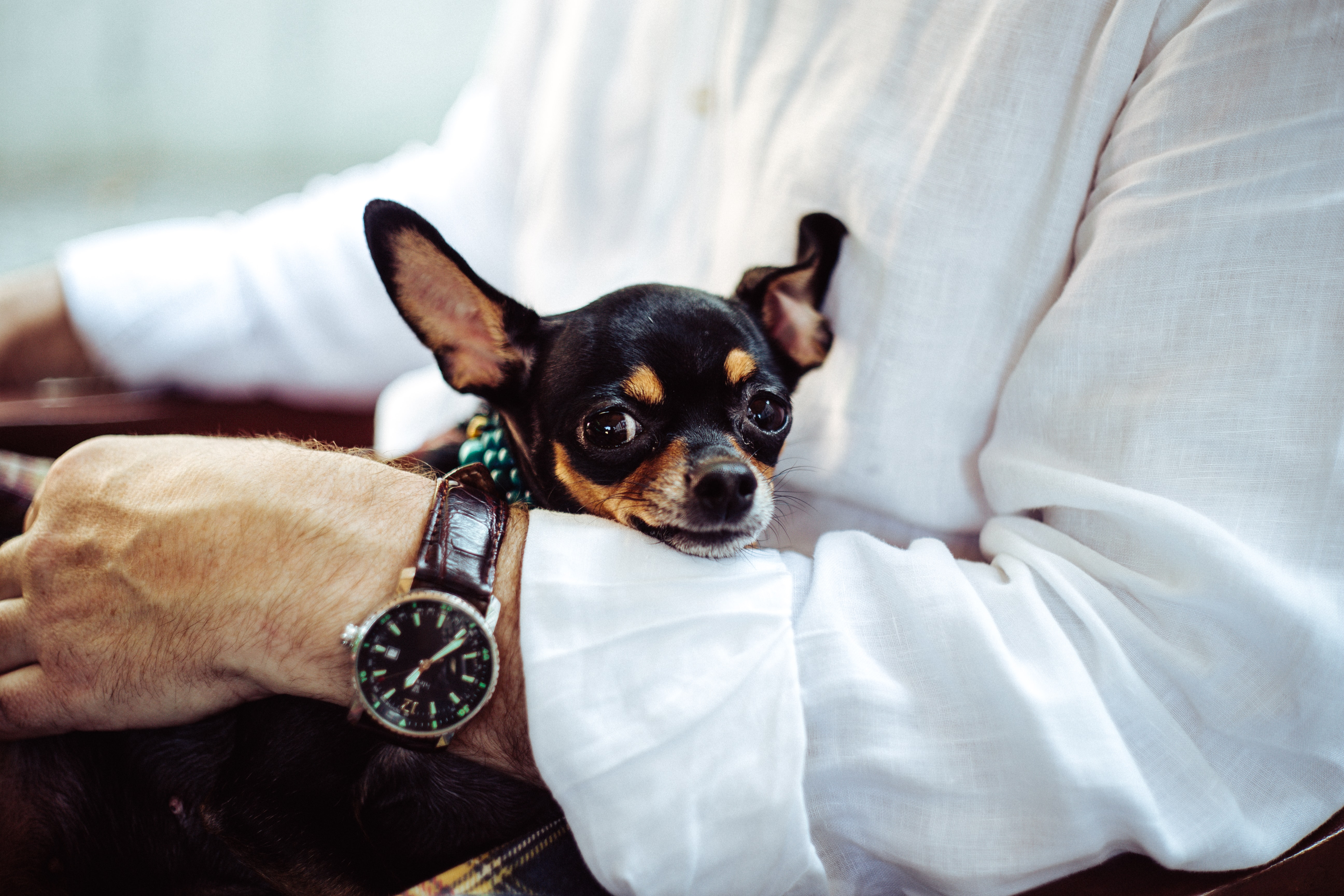
Signs of illness in dogs can be like a mystery novel, but with a happy ending if caught in time. Keeping an eye out for any changes in your dog's behavior or health is crucial in making sure they get the proper care they need.
Here are some signs to look out for:
- Changes in appetite: If your pup is suddenly disinterested in their favorite meals, it may be a sign that something's not right.
- Increased thirst: A sudden increase in water intake could indicate a health issue, so it's important to pay attention.
- Lethargy: If your normally energetic dog is feeling more sluggish than usual, it's time to check in with the vet.
- Changes in bathroom habits: Any changes in urinary or bowel habits, such as frequent urination or diarrhea, could be a sign of illness and should be investigated.
- Coughing or sneezing: Just like in humans, these symptoms could indicate anything from a simple cold to a more serious respiratory issue.
- Lumps and bumps: Regularly checking your dog for any new lumps or bumps is an important part of preventive care. Any changes should be evaluated by a vet.
- Changes in behavior: Any sudden changes in behavior, such as aggression or excessive barking, could be a sign of an underlying health issue.
By keeping a watchful eye on your dog and consulting with your vet regularly, you can catch any signs of illness early and give your pup the best possible care. Remember, an ounce of prevention is worth a pound of cure,
RELATED: Understanding Dog Body Language
Pet Insurance Helps

Pet insurance is the ultimate safety net for pet owners. Imagine having a superhero cape for your furry friend - that's what pet insurance can be! It's there to save the day (and your wallet) when your pet gets into mischief or experiences an unexpected health issue.
Pet insurance comes in different shapes and sizes, just like pets themselves! Whether you're looking for a basic plan that covers accidents or a comprehensive one that covers a wide range of conditions, there's a pet insurance plan that's just right for you and your furry bestie.
One of the biggest benefits of pet insurance is the peace of mind it brings. No pet owner wants to think about their furry friend becoming sick or injured, but with pet insurance, you can have one less worry on your plate. With insurance in place, you can focus on what really matters - providing the best possible care for your pet.
Pet insurance is also a smart financial decision. It helps you budget for your pet's future care, so you don't have to make tough decisions about their health. With pet insurance, you can say yes to recommended treatments without worrying about the cost. This results in better outcomes for your pet and a longer, happier life together.
RELATED: Discover Fetch Pet Insurance
Conclusion
In conclusion, regular check-ups, vaccinations, and preventive care are all essential components of keeping your dog healthy and happy. From catching any signs of illness early to staying on top of important vaccinations, there's a lot that goes into taking care of our furry friends.
As dog owners, it's important to take our responsibilities seriously and make sure we're giving our dogs the best possible care. Whether it's scheduling regular check-ups with the vet, staying up-to-date on vaccinations, or simply keeping an eye out for any changes in our dog's behavior or health, there are plenty of ways we can make a positive impact on our dog's well-being.
So, let's give our dogs the love and care they deserve. They may not be able to thank us in words, but the wagging tails and endless love will say it all. Here's to happy, healthy pups!
Scroll down to see FAQs about taking your dog to the vet!
ABOUT THE AUTHOR
Madeline I
Madeline, a remarkable wordsmith and canine connoisseur at Premier Pups, possesses an exceptional understanding of dogs, setting her apart in the world of pet journalism. Her meticulous research skills and genuine affinity for her furry subjects culminate in articles that are both informative and captivating. Madeline's distinctive writing style brings the canine experience to life, making complex topics accessible and engaging for readers. As a trusted source of wisdom for dog enthusiasts, Madeline's unique contributions have become an essential component of the Premier Pups community, where her passion and expertise continue to inspire a deeper appreciation for the world of dogs.
What To Read Next
Navigating the World of Puppy Teething: A Guide for Owners
The process of teething can be a difficult time for both puppies and their owners, as puppies may experience discomfort and may chew on anything they can get their cute paws on. Understanding the process of teething and how to best care for your puppy during this... Read More
10 Winter Care Tips For Dog Owners
Winter can be a challenging time for dog owners, as the cold weather can pose a variety of risks to your furry friend's health and well-being. From dry, cracked paws to frostbite and dehydration, it's important to take extra precautions to ensure that your dog... Read More